Get Full Government Meeting Transcripts, Videos, & Alerts Forever!
Get email alerts on the Public Records topic
No spam. Unsubscribe anytime.
City Council secretary briefs True Commission on public‑records requests, fees and best practices
Summary
Jason Teal, council secretary/director, told the True Commission that individual commissioners may file public‑records requests but the city can charge for requests requiring more than 30 minutes of staff time; he urged commissioners to vet broad requests through the full commission before seeking city resources.
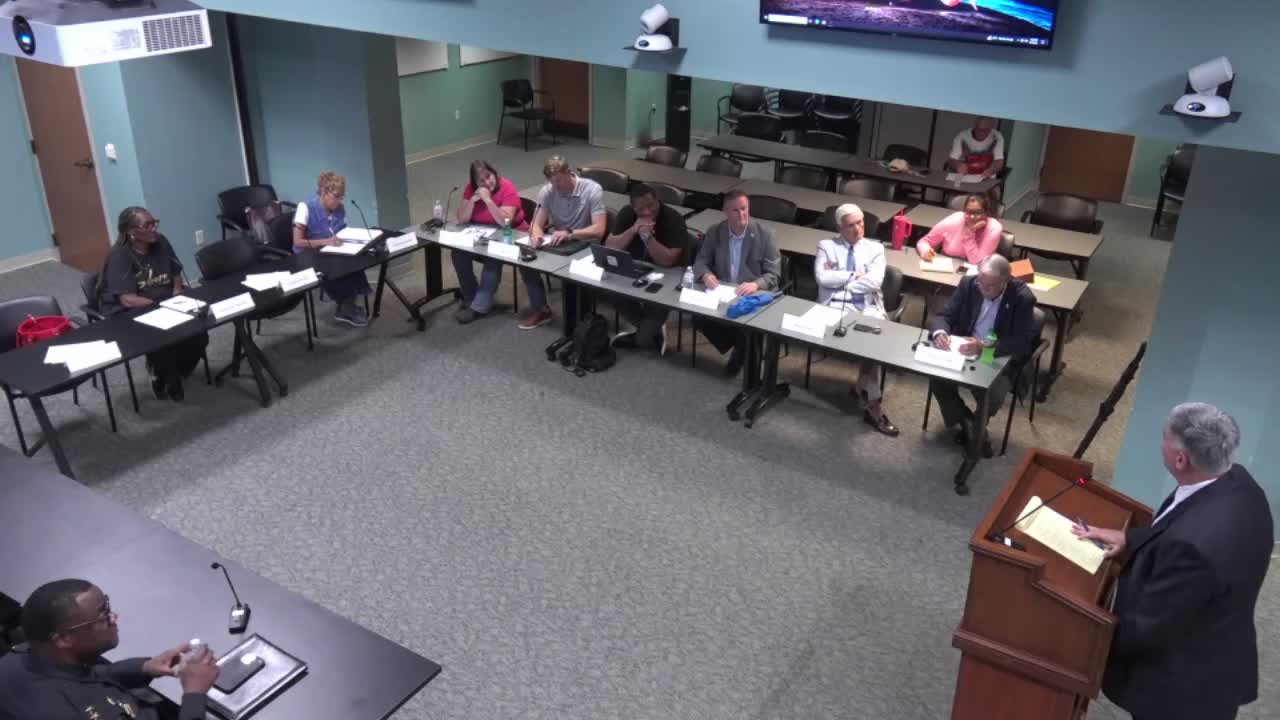
Jason Teal, council secretary and director, briefed the True Commission on Aug. 7 about how the city handles public‑records requests and the practical implications for boards and commissions.
Teal summarized the council’s position: boards and commissions have enabling legislation that defines their powers. As a collegial body, the commission can take official action only by motion and vote; if the commission seeks documents as an official body, Teal said staff will assess the scope and cost of complying and present that information to the commission before proceeding. He explained that under Florida law the city may recover reasonable costs to comply with a public‑records request and that the council’s policy is to waive charges for requests that take a half‑hour (30 minutes) or less of staff time.
Teal described a recent situation in which a commissioner submitted an extremely broad request tied to a land‑use matter; city staff estimated many hours of work across departments and pushed back, asking whether the commission had endorsed the request. Teal said narrow, tailored requests and a clear statement of the information needed can reduce staff burden and often yield responsive materials without broad searches.
He distinguished an individual commissioner’s right to make a records request from making that request on behalf of the full commission. If a single commissioner requests records without commission approval, the city may require payment for estimated staff time. If the commission votes to pursue a request, staff will provide an estimate and coordinate compliance as an official action.
Teal also encouraged commissioners to consult with council staff to narrow requests, offered examples of ways to reduce workload (date ranges, limited document types) and said the council seeks to be responsive while balancing staff workload. He recommended routing requests through Colleen Hamsey and working with council staff to scope and prioritize searches.
In discussion, commissioners asked whether motions are required to request records and how to treat commissioner‑initiated requests; Teal said a motion is not strictly required in an open meeting where commissioners hear and do not object to a request, but that clarifying a commission vote or direction helps staff and avoids confusion about who is speaking for the body.
Teal also described council efforts to expand public access to meetings: the council’s vendor (Granicus) and new YouTube postings are increasing availability, and staff said they would follow up about live streaming availability for commission meeting rooms.
Ending: Teal urged commissioners to consult council staff early, narrow requests where possible and, when a records request will require extensive staff time, to either secure commission authorization or agree to cover estimated compliance costs.