Get Full Government Meeting Transcripts, Videos, & Alerts Forever!
Get email alerts on the Dispatch And Interlocal Agreements topic
No spam. Unsubscribe anytime.
Council formalizes dispatch agreements with neighboring cities; discussion centers on fee method and 911 tax flows
Summary
Bountiful approved interlocal dispatch agreements with Woods Cross, West Bountiful and North Salt Lake. Councilmembers sought clarification about how annual fees are set and whether 9‑1‑1 tax revenues cover costs.
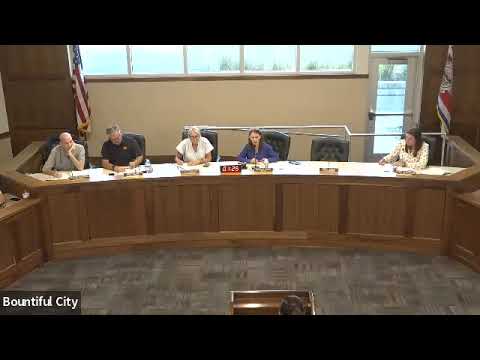
Bountiful City Council approved interlocal cooperation agreements on Aug. 12 to provide dispatch services for Woods Cross, West Bountiful and North Salt Lake, formalizing relationships staff said have worked “very well” in practice. The votes were unanimous.
City Attorney Brad Jepsen described the three agreements as substantially similar and tailored slightly by each city’s counsel. He said the agreements reflect the structure used in prior dispatch partnerships with Centerville, Farmington and Kaysville. “These agreements are all very similar in nature,” Jepsen said when introducing the package.
Several council members asked how the annual fee charged to each partner is set. Jepsen and dispatch staff said fees are not calculated on call volume alone but on the cost to operate the dispatch center, including staffing and equipment needs. Lieutenant Sheldon explained the city strives to recover the costs of running dispatch and that the $9‑11 tax revenue collected by the state and redistributed can be part of making partner cities “whole.” "It's generally based upon how much it takes to run a dispatch center," Sheldon said, describing factors such as additional dispatchers and equipment when new partners join.
Staff described an annual budget process in which fees for partner cities are discussed during budget preparation. Council members said they appreciated the region’s cooperative approach but asked staff to document the fee methodology more clearly for future transparency.
Why it matters: Dispatch agreements tie Bountiful to neighboring cities for an essential public-safety function and create ongoing financial obligations and expectations. Questions about fee methodology and the flow of 9‑1‑1 tax revenue suggest the need for clearer documentation so future councils can assess cost-sharing fairly.
What to watch for: Staff indicated they will continue to work with partner cities during annual budget cycles and to bring any related power-department UDOT agreement to council when ready.
Source: Presentation by Brad Jepsen, Lieutenant Sheldon and council discussion at the Aug. 12 meeting.