Get email alerts on the Community Development topic
No spam. Unsubscribe anytime.
Council schedules study session on Social Development Coalition after multiple public requests
Summary
After several public comments requesting formal recognition for the Social Development Coalition, the Lincoln Park City Council voted to schedule a study session on Aug. 25 to discuss integrating the coalition into municipal structure.
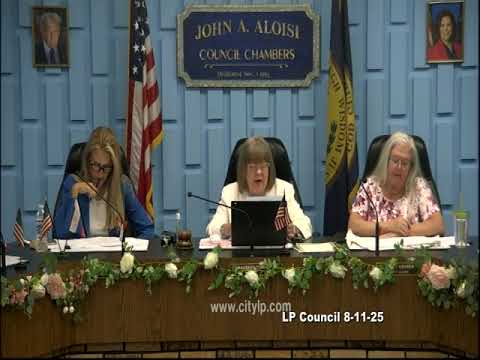
The Lincoln Park City Council voted to schedule a study session for 6:30 p.m. on Aug. 25 to discuss the Social Development Coalition’s request for formal placement within the city structure.
Multiple speakers during the citizens’ communication portion urged the council to consider the coalition’s proposal. Coalition member Paula Miller told council the group — which she said was founded with city staff involvement and has produced a 38‑page proposal and a PowerPoint — seeks guidance and a pathway to integration with city operations. Other coalition members, including Bridal Garza and resident Joanna Whaley, urged council to hold a study session to hear the group’s work and recommendations.
Councilmember Behr moved to schedule the study session and Councilmember Zohr supported the motion. The council approved the motion on roll call: Councilperson Spare — yes; Councilperson Zohr — yes; Councilperson Dupree — yes; Councilperson Nichols — yes; Councilperson Ross — no; Councilperson Salcedo — yes; Mayor Maureen Tobin — yes. The motion passed, clearing the way for the Aug. 25 study session.
Speakers said the coalition is composed of residents, local leaders, university interns and social workers and that it has developed assessments of community needs, including a needs-assessment the speakers said had not been completed in about eight years. Speakers repeatedly stated the coalition is not seeking city funding or office space at this time but requested an opportunity to present its materials and discuss possible integration.
Council members who supported the study session described it as a low-cost next step that would allow council to ask questions and better understand the coalition’s work. Council members who opposed the motion did not block the session but expressed reservations in the preceding study-session discussion about responsibilities and oversight.
The study session provides the council an opportunity to review the coalition’s written materials and to ask staff to clarify potential roles, responsibilities and any follow-up actions should the coalition seek formal recognition or a new advisory body.
AI generated
The text on this page is AI generated. Summaries, highlights, analysis, and video transcripts are all produced from the original source material.
AI can make mistakes, so if you spot one, and we will fix it for everyone.
Note: the source content is unaltered by us. Any content source we link to, be it a video, an audio recording, or a document, is presented exactly as its publisher released it. That publisher is usually a government body, sometimes an individual official or another organisation.