Get Full Government Meeting Transcripts, Videos, & Alerts Forever!
Get email alerts on the Animal Welfare topic
No spam. Unsubscribe anytime.
Committee asks law department, health and animal control to draft rules on cat breeding after residents report sick, dead kittens
Summary
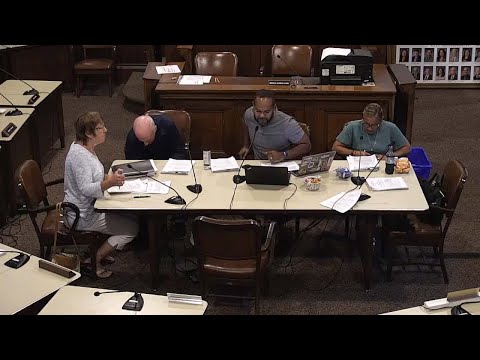
After residents reported multiple sick and deceased kittens linked to a local breeder, the Holyoke Ordinance Committee voted Aug. 6 to direct the law department, Board of Health and Animal Control to develop draft ordinance language to extend breeder regulation to cats under Chapter 14.
The Holyoke City Ordinance Committee on Aug. 6 voted to ask the city law department, the Board of Health and animal-control officials to draft language to regulate feline breeding under Chapter 14 of the city code.
Councilor David Bartley introduced an order to amend Chapter 14 after receiving a letter from resident Leah Maldonado alleging multiple deaths and infections in kittens she purchased from a local breeder. Bartley said the Massachusetts Department of Agricultural Resources (MDAR) told him breeding of dogs is regulated in the state but breeding of cats is not, and that Holyoke could fill the regulatory gap.
"I filed this motion to amend Chapter 14, which is to protect the welfare of felines," Bartley said, summarizing the concerns and his request that the city take steps akin to canine regulations.
Leah Maldonado addressed the committee during the public comment portion, describing repeated illnesses and deaths among cats she purchased from the breeder. "The cats that I got from the cattery in Holyoke were loved; they were just really sick," Maldonado said, adding she had consulted veterinarians and state officials and urged the city to act.
Board of Health Director Eric Velez told the committee he supported pursuing local regulation because "there are no regulations for cats" at the state level and local oversight could help prevent suffering and poor conditions. Committee members discussed whether regulation would require zoning or special permits for “catteries” and how to structure licensing, inspections and enforcement. Several councilors emphasized balancing oversight with not unduly blocking legitimate small breeders.
Councilor Bartley’s motion asked staff to work with the Board of Health, animal-control officers and local veterinarians — and to keep Maldonado involved — to assemble minimum standards and then send draft language to the law department. The committee approved the motion on a roll-call vote and asked staff to return draft ordinance language, with one councilor suggesting a target of roughly two months for an initial draft.
The committee’s action does not adopt an ordinance; it directs city departments to gather information, consult veterinarians and stakeholders, and draft proposed legal language for committee consideration and possible later introduction to full council.