Get Full Government Meeting Transcripts, Videos, & Alerts Forever!
Appeals court hears Mendoza claim that trial counsel was ineffective for not seeking medical expert and for failing to object to state's expert
Summary
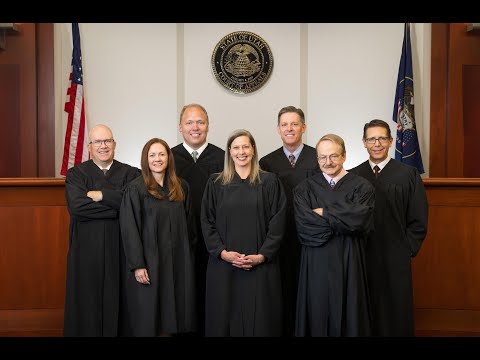
The Utah Court of Appeals heard arguments in State v. Mendoza, in which defense counsel argued trial counsel was ineffective for failing to investigate and present medical evidence about the defendant's alleged testicular hernia and for not timely objecting to the state's "blind" child-abuse expert.
A three-judge panel of the Utah Court of Appeals heard oral argument in State v. Mendoza, where the appellant seeks relief based principally on an asserted failure by trial counsel to investigate and present medical evidence and by not timely objecting to the scope of the prosecution’s expert witness.
Appellant’s position and 23B proffer
Defense counsel Davis Pope told the court the defendant’s primary trial defense was that a medical condition — three testicular hernias described in later medical records — would have made sexual contact or certain sexual acts unlikely or physically painful and thus undermined the prosecution’s claims. On appeal, counsel asked the court either to reverse directly or to remand under Utah Rule of Civil Procedure 23B to develop record evidence (affidavits and an expert examination) that was not presented at trial. The 23B proffer included a declaration from a nurse practitioner (identified in the record as Jeanette Carver) who said she had reviewed post‑trial medical records from the Department of Corrections and would, if permitted, explain how the injuries described would likely reduce sexual drive and make sustained erection unlikely. Defense counsel argued that the nurse’s proffered testimony would corroborate the defendant’s testimony and that failing to develop that testimony at trial showed ineffective assistance.
State’s response and thresholds for remand
The state, represented by Daniel Day, argued the proffer could not support a remand. The state noted the records relied on by the proffer post‑date the trial (a surgery in 2023) and said the items could not have been presented at trial; the state also contended the nurse practitioner’s affidavit, as filed, was too speculative to establish a Strickland prejudice showing and that the nurse may lack the specialized qualifications (for example, urological training) to opine about erectile function or sexual drive. On the question of the blind expert that the state called at trial to explain victim behavior in child abuse cases, counsel for the state pointed to State v. Francis and related Utah precedent permitting a qualified “blind” expert who does not…
Already have an account? Log in
Subscribe to keep reading
Unlock the rest of this article — and every article on Citizen Portal.
- Unlimited articles
- AI-powered breakdowns of topics, speakers, decisions, and budgets
- Instant alerts when your location has a new meeting
- Follow topics and more locations
- 1,000 AI Insights / month, plus AI Chat