Get Full Government Meeting Transcripts, Videos, & Alerts Forever!
Get email alerts on the School Fundraising Crowdfunding topic
No spam. Unsubscribe anytime.
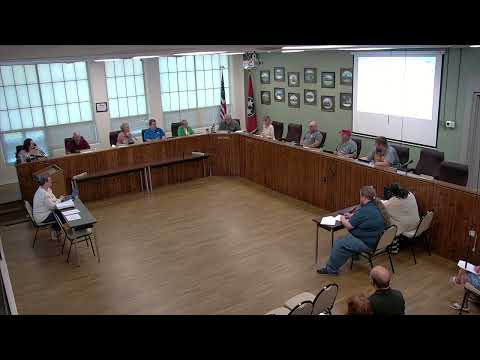
Board discusses Amazon wish lists and crowdfunding; approves fundraising policy 2.601 for first reading
Summary
The Cumberland County Board debated whether teacher Amazon wish lists count as crowdfunding and approved policy 2.601 for first reading to give principals authority to approve school-level fundraisers while carving out additional review and procedures.
Board members debated whether Amazon “wish lists” and other online classroom supply requests amount to crowdfunding and need tighter rules before allowing school-level approvals. After an extended discussion the board approved policy 2.601 for first reading and asked administration to develop corresponding procedures and best-practice guidance.
What the board discussed: Mr. Matthews introduced the topic, saying school-level Amazon wish lists are meant to make it easier for parents to donate classroom supplies. “My mind is as the board is to help facilitate the teachers and administration…to help them make their life a little easier,” he said, describing wish lists as a convenience for families. Other members raised legal and accountability concerns: whether online lists are “crowdfunding” because they are public and how to ensure donated items are shipped to schools (not teachers’ homes), whether donations could supplant board-provided funds, and how principals or bookkeepers would verify lists and inspect incoming items.
What policy 2.601 does: The draft policy clarifies that fundraising must supplement — not replace — board-provided funding and authorizes school principals to approve individual classroom fundraisers. The board discussed adding explicit language excluding Amazon wish lists from principal-level approval, but several members said that would defeat the streamlining purpose of the policy. Administration and the board agreed principals should approve classroom fundraisers but that the district should set procedures to require: (1) itemized wish lists be attached to fundraising requests; (2) items be shipped to the school; (3) principals or designees check and log received items against submitted lists; and (4) limits or prohibitions on items that would be inappropriate (for example, gift cards sent through wish lists).
Votes and next steps: The board voted to move 2.601 forward as a first reading and asked administration to consult the comptroller and district attorneys as needed to ensure compliance with state rules and to produce a recommended procedure document for board review. Ms. Diane (administrative staff) told the board she already had some wish lists attached to recent fundraisers and would provide those as examples for drafting the procedure. Dr. Farley said the policy additions and best-practice document would allow principals to approve items locally while keeping the district on the “good side” of legal requirements.
Why it matters: Board policy will determine whether principals can approve online wish lists without full board review and how the district avoids legal or audit findings if items are misused or fundraising activity inadvertently replaces budgeted supplies. The board emphasized that fundraising should supplement district funding and that principals and bookkeepers must be able to account for donated items.
Quotes: Mr. Matthews, who introduced the topic, said the lists are “not even fundraising…when they're asking for just classroom supplies,” describing them as a convenience for parents. The board asked administration to draft procedures that require itemized lists, require shipping to school, and require principals to verify donated items.