
Olmsted County authorizes competitive sale of general obligation bonds to fund materials recovery facility and other capital needs
Get AI-powered insights, summaries, and transcripts
Sign Up Free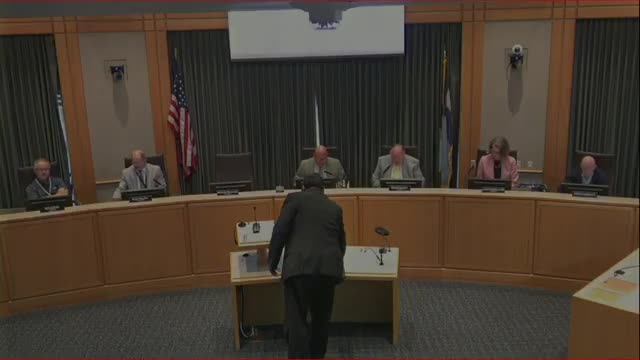
Summary
Olmsted County commissioners voted to authorize a competitive public sale of general obligation bonds, Series 2025A, to finance capital projects including a materials recovery facility (MRF), Financial Officer Wilfredo Roman said.
Olmsted County commissioners voted to authorize the competitive sale of general obligation bonds, Series 2025A, and related documents and timing, following a presentation from County Chief Financial Officer Wilfredo Roman. The board authorized the sale in a voice vote after Roman reviewed the timeline and uses for the proposed financing and answered commissioners’ questions.
Roman told commissioners the county will offer the bonds in a competitive public sale on Sept. 16, with a bond rating review from a rating agency scheduled on Aug. 27. He said the county selected a competitive sale process to seek the lowest interest cost and noted Olmsted County’s high credit standing: “Olmsted County is 1 of the very few counties in the nation. There's only 3% of us that have a AAA rating,” he said.
Why it matters: the bond proceeds would finance multiple capital items on the county’s approved 2025–2029 capital improvement plan. Roman said “a significant portion” — approximately $15.2 million — of the proposed sale would be applied to the county’s materials recovery facility (MRF). The remainder of the sale (about $6.3 million) would fund other equipment and building needs across county operations. Roman described the bonds as general obligation bonds secured in part by MRF revenues and, if needed, by the county’s taxing authority: “These bonds will be tax exempt based on IRS rules,” he said, adding that the structure signals investors the county will repay debt even if MRF revenues prove insufficient.
How the financing is structured: Roman said the county is matching principal amortization periods to estimated useful lives of financed assets (shorter payback for short-life equipment, longer for long-lived facilities). He said the final maturity shown in the presentation was labeled 02/1946 and that an optional prepayment date was noted in the slides; the transcript contains those slide dates but they appear inconsistent in places and were not read out with full clarity during the meeting. The county will work with municipal advisor Northland Securities and legal counsel Dorskin Whitney to complete the sale process and closing, Roman said, and estimated three to four weeks between sale and closing for administrative and legal steps.
Commissioner questions and next steps: commissioners pressed on the MRF funding gap. One commissioner noted the MRF is a roughly $52 million project with about $10 million in state funding already secured and asked why the county planned to bond only $15.2 million now rather than the full remaining need. Roman said the board directed staff to seek additional state funding first; if the county is not successful in obtaining more state dollars, staff would return to the board to seek authorization for additional bonding in a later sale.
Board action and other votes: after discussion the board approved the resolution authorizing the county to proceed with the competitive sale; the vote was taken by voice and recorded as carried. At the same meeting the board also approved the consent agenda, which included multiple routine items (listed below). The consent items were approved by voice vote; specific vote counts were not provided in the transcript.
At the meeting commissioners approved the following consent items as read into the record by staff: approval of minutes from Aug. 5; a temporary one- to four-day liquor license for High Forest Old Settlers Association; acceptance of the Climate Smart Food Systems Regional Food Coordination Grant; awarding a contract for the Oxbow Park caretaker’s home; approval of an amended contract for CSAH 1; acceptance of a Victims of Crime Act (VOCA) grant to fund one victim-witness full-time staff position (beginning Oct. 21 through 9/30/2026); acceptance of the annual comprehensive financial report for the year ending 12/31/2024; and setting county truth-in-taxation dates for the 2026 budget.
What the county did not determine at the meeting: the transcript does not record precise vote tallies or a final total principal amount of the bonds to be sold; Roman provided approximate allocations from the sale but the board did not approve a final not-to-exceed aggregate principal amount in the discussion recorded. The county also did not resolve whether or when it would issue additional bonds to complete the MRF if state funding requests are unsuccessful; Roman said staff would return to the board at a later date if more bonding is needed.
Looking ahead: staff will proceed with the rating presentation on Aug. 27 and the competitive sale process on Sept. 16, and will return to the board with closing details once the sale and administrative steps are complete.