Get Full Government Meeting Transcripts, Videos, & Alerts Forever!
Get email alerts on the Animal Services topic
No spam. Unsubscribe anytime.
Chatham County Animal Services reports higher intake and heavier reliance on rescues; outlines hurricane sheltering plan
Summary
Animal Services reported 443 dog intakes and 162 cat intakes April–August, described rescue partnerships, enforcement priorities for dog-at-large calls and protocols for evacuations and temporary shelters during hurricanes.
Dr. Harper, presenting an update for Chatham County Animal Services (referred to in the meeting documents as “Bridal Services”), told the Board of Commissioners on Aug. 8 that from April through August the shelter took in 443 dogs and 162 cats and that the county relies heavily on rescue partners to move animals to live outcomes.
Why it matters: The presentation outlined shelter intake, outcomes, enforcement patterns and the county’s hurricane evacuation procedures for animals — relevant to residents who depend on county services, rescue partners and budget planners.
Dr. Harper summarized intake and outcomes: “Over that time, we took in 443 dogs total… and 162 cats,” and said most animals leave the shelter via rescue transfers (rescue partners such as Renegade Paws, Coastal Pet Rescue and Red Clay were named). She told commissioners the live outcomes included 100 adoptions, 135 returns to owners and 164 rescue transfers for dogs, and roughly half of cats went to rescue or transfer. The shelter’s cat intakes historically skew toward sick or injured animals.
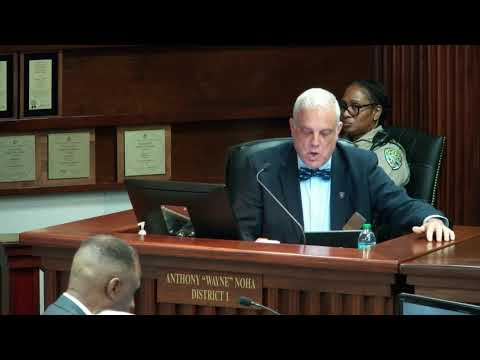
Commissioner Anthony Noah asked whether the rescue arrangements were written or verbal. Dr. Harper replied that relationships are “mostly verbal” and that Renegade Paws is “one of the only rescues… that has a building” and a large foster program; she said rescues assume financial responsibility for animals they pull from the shelter and that the county no longer charges rescues a pull fee.
On enforcement and calls for service, Dr. Harper said animal-control officers ran 3,429 calls year-to-date and emphasized that many “dog at large” reports are unfounded by the time officers arrive — she said about 65% of dog-at-large calls are unfounded. She explained the department prioritizes dangerous calls (bites, aggressive animals, police assists and sick/injured animals) and relies on citizen witness testimony when pursuing some citations in court.
On hurricane operations, Dr. Harper described multi-step evacuation planning: outreach and coordination with partners (including a memorandum of understanding with Henry County and arrangements with Atlanta Humane), vaccination checks, use of trailers and temporary shelters (a horse arena in Henry County was cited as an example) and staff deployed to care for evacuated animals. She said the county typically does not charge owners to hold animals during evacuations and that in prior evacuations community organizations and partner agencies helped move animals. “We start moving animals 72 hours out,” she said, adding that in some rare cases euthanasia might be required for animals too sick to safely move.
Ending: The department said it is hiring three additional animal-care assistants (five of eight positions filled) and reiterated that rescue partners are critical to maintaining a high live-release rate. Commissioners thanked staff for the work.