Get Full Government Meeting Transcripts, Videos, & Alerts Forever!
Get email alerts on the Municipal Finance topic
No spam. Unsubscribe anytime.
June financials show modest tax growth; city auditor presents three-item internal audit plan to committee
Summary
Finance staff reported year-to-date income tax receipts slightly ahead of last year and projected the general fund to meet budget; the auditor asked the committee to adopt a 2025–26 internal audit plan focused on grass cutting, asset management and cash controls, but no formal adoption occurred because the meeting lacked a quorum.
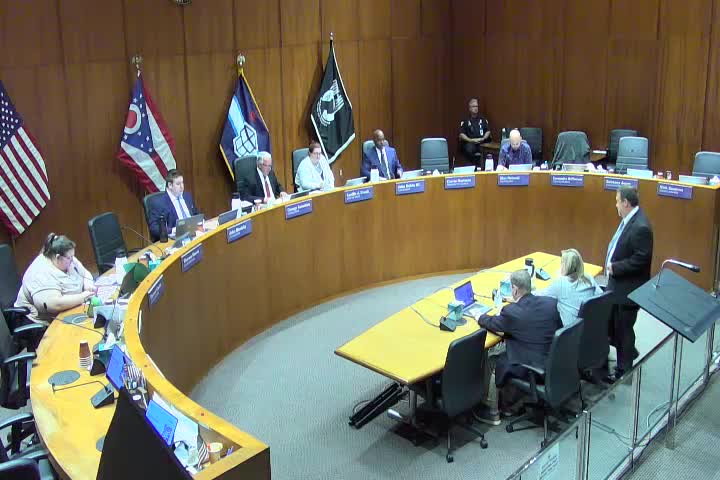
City finance staff and the city auditor briefed the Finance, Budget and Debt Committee on June financials, ARPA spending and an internal audit plan during the committee's regular meeting.
Commissioner Zavisha reported income tax collections through June were modestly ahead of last year's pace, with June collections contributing to a year‑to‑date increase of roughly 3.6%. "Overall for the month of June, the city of Toledo was up just about $240,000 ahead of last year's pace," she said, noting withholding — which comprises roughly 78% of collections — was nearly flat for the year and that business net-profit payments (driven by estimated payments from a small number of large firms) have been unusually strong.
Finance staff reported other key points: general fund revenues were about 44% of the annual budget estimate through June, investment earnings and intergovernmental receipts are expected to increase in the second half of the year, and refunds totaled about $1.8 million through June versus roughly $2.0 million at the same point last year. Staff projected year-end income tax collections near $231.6 million against a budget of about $231.3 million.
On expenditures, staff said labor costs were running ahead of budget because of a police collective bargaining agreement approved earlier this year with retroactive pay to April; a mid‑year budget amendment to cover those costs has been introduced. Overtime spending remained below budget, a point Vice Chair Driscoll noted. Finance staff also reported roughly $31 million in ARPA funds remained to be spent before the program deadline in 2026 and that ARPA reporting requirements to the U.S. Treasury had been met for the most recent quarterly and annual submissions.
City Auditor John Rybalski presented his internal audit plan for fiscal 2025–26 and asked the committee to adopt it. The plan sets three primary audits: the city grass‑cutting program (examining vendor monitoring and complaint management), an asset management audit (moved from the prior year plan) and a cash/receipt handling audit focused on controls for small operations. Rybalski described other continuing activities in the audit office, including biannual investment reviews, follow‑ups on prior recommendations and ad‑hoc council support. "The plan is made such that I have time for special counsel activities," he said, adding the audit plan can be amended if priorities shift.
Committee discussion included a question from Vice Chair Driscoll about the auditor's flexibility to add emergent audits; Rybalski said the plan can be adjusted. Councilmember Gattis thanked the auditor for including a grass‑cutting audit. Rybalski asked the body to adopt the plan, but the meeting ended without a quorum and no formal adoption was recorded.
There were no formal votes on budget amendments or audit adoption during the meeting. Finance staff said they will return with updated reports and expect to reflect mid‑year budget changes in the September finance packet.