Get Full Government Meeting Transcripts, Videos, & Alerts Forever!
Get email alerts on the Lodging Tax topic
No spam. Unsubscribe anytime.
Custer County commissioners approve lodging-tax ballot measure to fund housing and childcare
Summary
The Custer County Board of Commissioners voted to place a ballot measure on the Nov. 4, 2025 coordinated election that would raise the county lodging tax from 2% to 6%, dedicating two-thirds of the increase to workforce housing and childcare and retaining one-third for tourism marketing.
Custer County commissioners on Wednesday approved a resolution to put a lodging-tax increase before county voters on Nov. 4, 2025, raising the county’s lodging tax from 2% to 6% and carving the new rate into three equal parts: 2% for tourism advertising and marketing, 2% for childcare for the county workforce, and 2% for workforce housing.
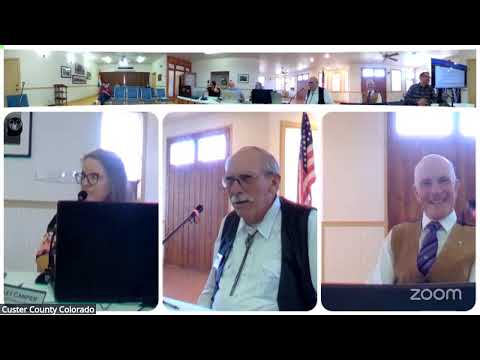
The measure, adopted as Resolution 25-32, will appear on the coordinated election ballot after the board’s voice vote. Phil Kanda, county chairman of the board of commissioners, moved to adopt the resolution; the motion was seconded and carried by voice vote with commissioners present answering in the affirmative.
Why it matters: Commissioners and local advocates said the county’s labor market and child-care shortage make new, locally controlled revenue attractive. In presentations to the board, local housing and child-care advocates cited county-level data showing a shrinking share of residents in the 20-to-64 prime workforce age group and a large gap between incomes and the local cost of living.
Barry (last name not specified), representing local workforce-housing interests, told commissioners the county’s share of residents aged 20–64 fell from about 55% in 2013 to 46% in 2023 and could drop to roughly 40% by 2033. He said the county expects about 160 new jobs over the next eight years but only about 120 people entering that prime workforce cohort, creating labor gaps the county will need to fill.
Stacy, director of the Custer County Kids Council, told the board the county is “considered a child-care desert.” She said there are about 272 children ages 0–5 in the county and only 38 licensed child-care slots, and she described examples of how lodging-tax dollars in other mountain communities have been used to buy buildings for child care, provide start-up grants for providers, or subsidize hours (for example opening programs on Fridays and during summers) to match the needs of seasonal work.
Opponents at the meeting expressed concern that the tax increase would be another new burden and warned against an expanding tax base. Brian Klitz, who identified himself as the owner of a local motel and liquor business, said, “You start with the little tax and you add on and you keep going and you keep going,” and urged caution about layering more fees.
Board discussion addressed administration and eligibility. The ballot language tracks the state statute’s allowance for lodging-tax revenues to be used for lodging-related workforce needs; the resolution as written specifies tourism-related workforce uses but speakers said implementing details — such as whether childcare or housing assistance would be limited only to tourism workers or broadly applied to the county workforce — would be decided during annual budget discussions and program design.
County officials said they plan to work with the Affordable Workforce Housing Group and local partners to design a nonprofit trust or other administrating entity to manage housing funds. Commissioners also discussed the possibility of vouchers, provider grants, or other locally managed programs for child-care expansion; no final administrative program was adopted at the meeting.
The resolution sets the ballot language and directs the county clerk to publish notice and conduct the coordinated election. The board did not adopt program rules or an allocation plan at the meeting; those decisions will be part of future budget and program-development work.
Where it goes next: If voters approve the measure, funds would begin accruing under the new rate after any state-required processing and would be available for the purposes set by the ballot language and future board budgeting. Commissioners said they will return to the specifics of administration, eligibility and contracting in follow-up meetings and budget sessions.