Get Full Government Meeting Transcripts, Videos, & Alerts Forever!
Get email alerts on the Complete Streets Policy topic
No spam. Unsubscribe anytime.
Grand Island panel recommends creation of Complete Streets committee to shape multimodal street policy
Summary
The Conservation Advisory Board recommended to the town board that a Complete Streets committee be formed and named initial members, seeking to produce a policy that will guide street design, multimodal access and help the town compete for state and federal grants.
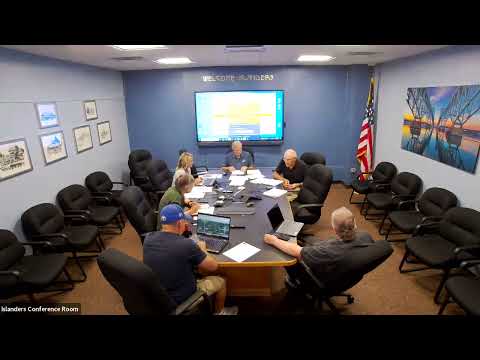
The Grand Island Conservation Advisory Board voted to recommend that the town board create a Complete Streets committee and appoint a first slate of members to draft street-design policy aimed at making streets safer and more multimodal.
Paul Lechner, speaking for the advisory board, said Complete Streets provides the town a policy framework to define how state, county and local roads should accommodate walking, biking and driving, and to help the town win grant funding by showing a planned approach. The board proposed a committee with representatives from highway, police, conservation and resident stakeholders and offered a preliminary slate of candidates.
The committee recommendation nominates Jim Sedita (expected highway superintendent) to chair the committee; Chris Pich (town police / traffic); Mary Pfalzer (resident of Staley Road); Justin (surname varied in transcript); Paul Lechner and several other community members including Jack and Josh Jones as initial participants. The advisory board said nominees had been contacted and expressed preliminary interest. The referral asks the town board to formalize the committee and appoint members or adjust the roster as desired.
Proponents said a Complete Streets policy will not itself design road construction projects but will create street-type policies (for state roads, county roads and town streets) that the town can use when planning capital work and applying for grants. Board members argued that having a policy in place helps the town be competitive for state funding and provides consistent expectations for different street categories. The advisory board also discussed making the committee a permanent board (rather than a short-lived committee) so policy work has continuity beyond a single administration.
During discussion members acknowledged the budget realities of implementing street projects and said the committee’s goal is to build a consistent plan and to “chip away” at improvements through phased grants and local projects. The board moved to recommend the committee and to forward the proposed roster to the town board; the motion carried by voice vote.
Next steps: the advisory board will forward the recommendation and roster to the town board, which can accept the nomination list, amend membership, or solicit additional candidates. The advisory board suggested training and templates to help the new committee format policy and to standardize reviews of street projects going forward.