Get Full Government Meeting Transcripts, Videos, & Alerts Forever!
Get email alerts on the Water Quality And Wetlands topic
No spam. Unsubscribe anytime.
Conservation board urges town to enforce permits for culvert and waterfront projects after permit reviews
Summary
Members reviewed a culvert application across Little 6, asked the town to ensure Army Corps and DEC permit conditions are followed, and raised separate concerns about recent development projects — including Granger Pond and Comfort Solar — that members say should be reviewed for wetlands impacts and LWRP consistency.
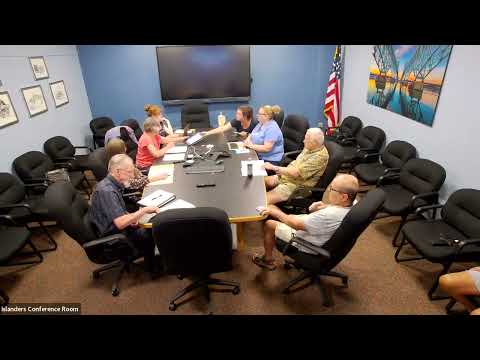
The Grand Island Conservation Advisory Board asked town officials to make sure a proposed driveway culvert across a stream known locally as Little 6 follows federal and state permit conditions, and it raised separate, broader concerns about recent waterfront and development projects.
Paul, a board member who presented the application, said the project has Corps of Engineers approval and a detailed set of permit conditions — including requirements to limit disturbance, protect spawning habitat and replant native vegetation — and asked that the town require the contractor to follow those conditions. “Follow your permit,” he told other members, summarizing the board’s primary request.
The board discussed a recommended approach in which crews would limit in-stream disturbance by installing an arch plate culvert and performing excavations outside of high flows. Members said they want a buffer area where mowing is restricted near the creek and recommended minimizing tree removal and replanting any disturbed banks with native species. The board noted that the town’s local waterfront revitalization plan (LWRP) requires a consistency review for waterfront work and that some applications — including culvert installations — are commonly forwarded to the Long-Range/Comprehensive plan review process for that determination.
Conservation members also raised two separate projects they described as larger concerns. One member asked the board to review Granger Pond, a previously approved excavation project in the waterfront area, and to verify whether required stormwater controls (a SWIP/SWPPP) and other permit conditions were in place. Another lengthy presentation described alleged wetland disturbance at the Comfort Solar site, where a member reported that excavation removed jurisdictional wetlands and large trees; the speaker said they had filed complaints with the U.S. Army Corps of Engineers and sought more active town engagement to prevent further wetland loss.
Board members repeatedly raised a procedural concern: they said referral materials for planning and site plans do not always reach the Conservation Advisory Board early enough to provide meaningful comment. Several members asked staff to ensure engineering and planning send site-plan documents and LWRP consistency requests to the board before plans are finalized. The board also discussed whether the planning board checklist and code enforcement could be used more consistently to require tree and buffer protections during site-plan review.
Next steps the board recorded included drafting comments for the town board and long-range planning committee on the Little 6 culvert application that request explicit adherence to Corps/DEC permit conditions, asking staff to improve referrals on waterfront and development projects so the CAB can review them earlier, and planning a future agenda item to review Granger Pond and Comfort Solar concerns.