Get Full Government Meeting Transcripts, Videos, & Alerts Forever!
Get email alerts on the Affordable Housing 1125 Brighton topic
No spam. Unsubscribe anytime.
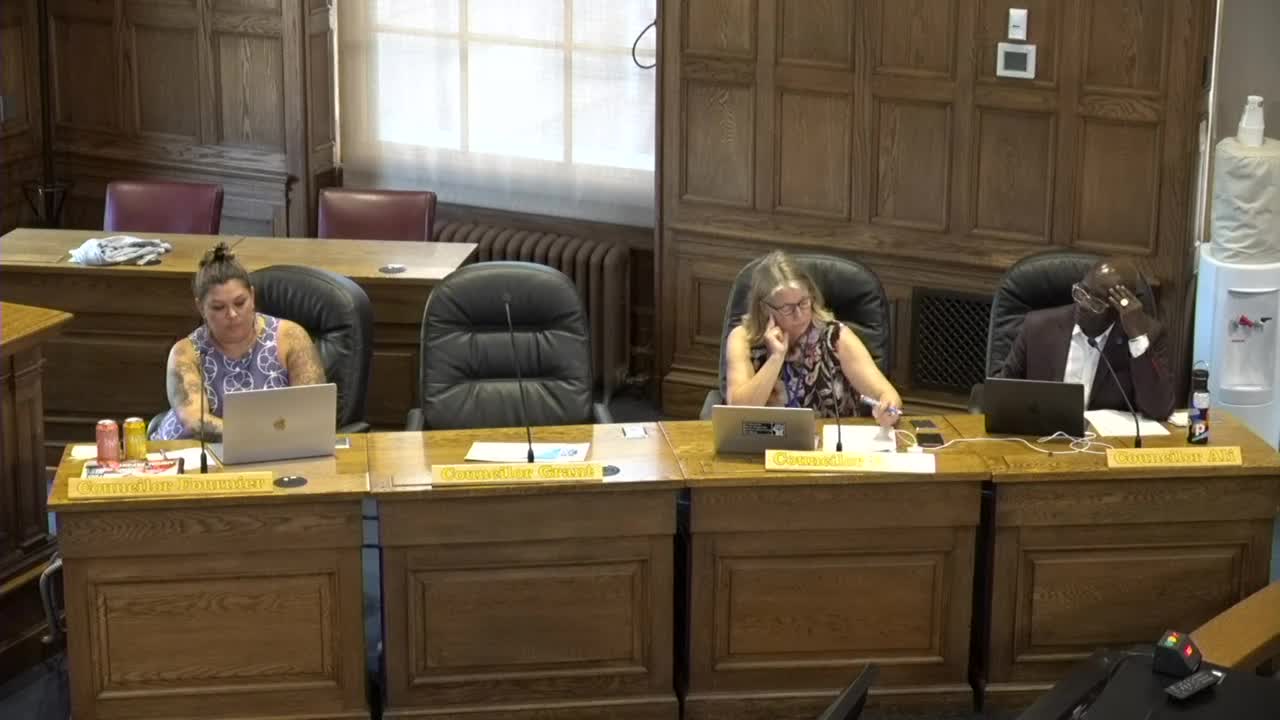
Council approves Prosperity Place lease and credit enhancement for 1125 Brighton Ave. to add workforce and family affordable housing
Summary
The City Council approved a ground lease and a package of municipal development and credit‑enhancement agreements to advance an affordable housing project at 1125 Brighton Ave. led by Prosperity Maine (Prosperity Place).
The Portland City Council on Monday approved a set of companion orders to advance an affordable housing development at 1125 Brighton Avenue, awarding a ground lease and authorizing municipal development program and credit‑enhancement agreements to support the project.
The development team led by Prosperity Maine will proceed under an option and lease agreement with the city and will seek state low‑income housing tax credit financing. Councilors approved the lease/option, a municipal development program and credit enhancement (a TIF‑style assistance) to make the financing package viable; staff requested emergency passage on the financing orders to meet the state funding timeline for the 2025 housing finance cycle.
Why it mattered: Councilors and public commenters framed the vote as an opportunity to add family‑sized units and workforce apartments. Supporters argued the site addresses an immediate need for affordable and multi‑bedroom units, while critics said the city should maximize density and public benefit on city‑owned land. The council’s approval will allow the development team to file funding applications on the current funding cycle.
Public comment and debate
Supporters at the meeting highlighted Prosperity Maine’s track record with immigrant and workforce housing and urged the city to move the project forward so financing deadlines are met. Darien Plant (Zoom) told the council the project "would provide affordable workforce housing for individuals and families who wanna contribute to our community, support local businesses, and raise their children in a safe, stable environment." Several other residents and nonprofit representatives also urged passage.
Some councilors expressed reservations about unit counts, site design and whether public land was being optimally used. Councilor Sykes said she could not support the measure in good conscience because she worried the proposal did not maximize units and that the financing rules limit achievable density. City staff and the developer said state funding rules and qualified allocation plans (QAP) constrain per‑unit cost and therefore the scale of development.
Vote and implementation
Councilors passed the lease and accompanying funding authorization as emergency measures to keep the developer on the current state financing schedule; the measures were approved after motions and a scrivener’s correction to the developer name. The approvals include a 99‑year ground lease at a one‑time payment, tax increment credit enhancement over a defined period, and related municipal development program documents. The city will execute agreements and the developer will proceed with state financing applications.
Ending note
Councilors directed staff to continue oversight as the project seeks state financing and noted the city will monitor affordable housing production across multiple sites. Supporters said the development will add needed family‑sized apartments and reduce pressure on shelter and other city services.