Get Full Government Meeting Transcripts, Videos, & Alerts Forever!
Get email alerts on the Live Music Venue Moratorium topic
No spam. Unsubscribe anytime.
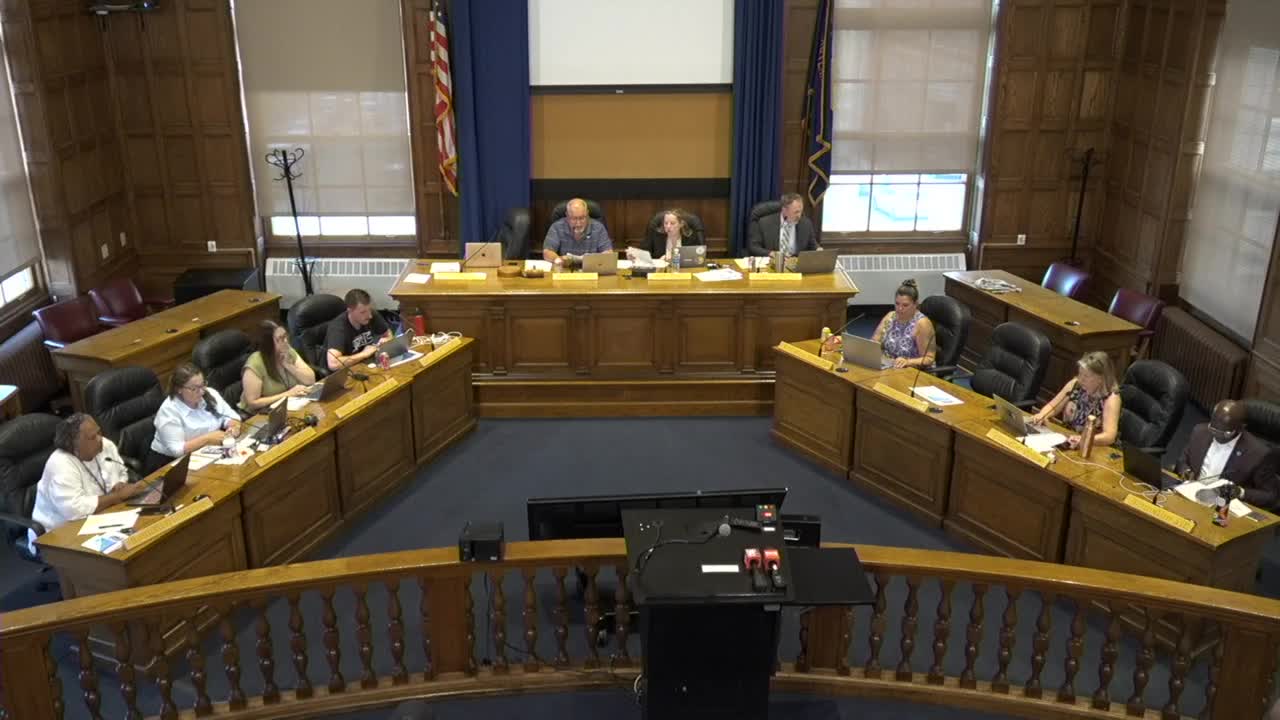
Portland council approves 180-day moratorium on new 2,000+ capacity performance halls after hours of public comment
Summary
After more than eight hours of public comment and debate, the Portland City Council voted to impose a 180-day moratorium on theater and performance hall projects with capacity exceeding 2,000. The moratorium does not take effect immediately; it becomes effective 30 days after passage and applies retroactively to Dec. 1, 2024. An emergency attempt,
The Portland City Council on Monday approved a 180‑day moratorium on new theater and performance‑hall projects with capacities above 2,000 people, citing the need for time to review traffic, public‑safety and community‑benefit questions raised by residents and cultural groups.
The action followed more than eight hours of floor and Zoom public testimony for and against a proposed music hall on Cumberland Avenue tied to Live Nation and the Portland Music Hall developer. Councilors passed the moratorium as an ordinary (non‑emergency) order; the measure becomes effective 30 days after passage and is written to apply retroactively to Dec. 1, 2024. A separate attempt to pass the moratorium as an emergency measure, which would have made it immediately effective, failed on a 5‑4 vote.
Why it matters: The moratorium pauses new approvals for very large performance halls while the council and staff evaluate possible impacts on downtown infrastructure, parking and the city’s creative ecosystem. Supporters — including many local musicians, venue operators and arts organizations — said they fear a large corporate promoter could reshape the market and harm independent venues vital to career development and local culture. Opponents, including the developers behind the proposed music hall, said the city already has rules and a planning process that address parking, traffic and safety and warned a pause could deter outside investment.
What the council did
The motion, sponsored on the floor as Order 92526 by the Sustainability & Transportation Committee, passed after a series of amendments. The council recorded a majority vote in favor of the moratorium; the measure will expire 180 days after its effective date (the council set the termination date at 2026‑03‑09). The council considered and rejected, 5‑4, an emergency declaration that would have put the moratorium into effect immediately. The order also directs staff and the relevant committees to use the moratorium period to review and, if warranted, propose code and licensing changes addressing large‑capacity venues and community benefits.
Public comment and council debate
Public testimony occupied the bulk of the evening. Musicians, venue owners and arts organizations urged a pause so the city could study the proposed hall’s effects on the local music ecosystem, citing the national litigation and regulatory scrutiny of Live Nation and Ticketmaster. Kevin Ericson of Future of Music Coalition told the council, "Don't enter into development projects with the worst corporate lawbreakers," summarizing a widely held view among speakers that the company’s market conduct merited extra caution.
Developers and business groups pushed back. Todd Goldenfarb, a principal with the project team, said Portland Music Hall "will be a venue that this city will be proud of for many, many years to come," and argued that the proposed hall fills a midsize gap in the local venue ladder that otherwise sends fans and artists to other markets.
Councilors who supported the moratorium said it created space for a formal role for the full council and public input on community benefit agreements, transportation mitigation and licensing standards. Opponents said applicants had already followed the city’s process and that a retroactive pause could undermine municipal predictability.
Next steps
Because the moratorium was passed as an ordinary order rather than an emergency, the measure takes effect 30 days after passage. The order directs city staff and the standing committees named in the order to report back and, if appropriate, propose code or licensing amendments within the moratorium period. The Planning Board may continue its work in the intervening month, but approvals that would conflict with the moratorium’s scope are effectively paused once the order becomes effective (and, per the moratorium language, the measure is written to be retroactive to Dec. 1, 2024).
Quotes
"Don't enter into development projects with the worst corporate lawbreakers," said Kevin Ericson of Future of Music Coalition during public comment.
"Portland Music Hall will be a venue that this city will be proud of for many, many years to come," said Todd Goldenfarb, a principal in the project team.
Ending note
The moratorium does not ban all live entertainment or stop the city’s existing venues from operating. Instead, it pauses new approvals for very large halls so councilors, staff and the public can consider whether and how changes to licensing, community benefit standards or traffic and safety measures should guide exceptionally large performance projects in downtown Portland.