Get Full Government Meeting Transcripts, Videos, & Alerts Forever!
Get email alerts on the Teen Services topic
No spam. Unsubscribe anytime.
Saint Paul teen engagement project reaches 164 teens; finds scheduling and social ties limit visits to libraries, rec centers
Summary
Saint Paul Public Library, Parks and Recreation and Right Track presented interim results from a youth-led survey of 164 teenagers showing that busy schedules and not knowing anyone who goes are the top reasons teens do not use libraries and recreation centers; most who responded find the spaces welcoming.
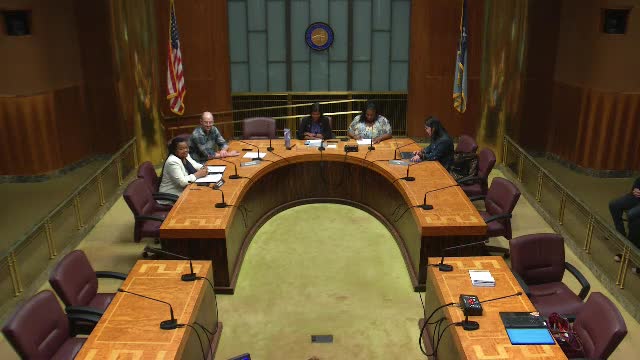
At a Saint Paul Public Library Board meeting, a team from Saint Paul Public Library, Parks and Recreation and Right Track reported interim findings from a youth-led teen engagement survey that reached 164 participants across the city.
Project leaders said the survey targeted 14-to-19-year-olds and used an in-person outreach approach. “So instead of creating programs without their input, ask them what they need specifically and then create programs from those anecdotes,” said Natasha O'Bafin, who managed the interns and presented the summary to the board.
The nut of the findings: scheduling and social dynamics shape teens’ use of public spaces. The presenters reported that the two biggest barriers keeping teens from visiting libraries were “my schedule is full” and “I don’t know anyone who goes.” For recreation centers the top reasons were “I’m too busy,” “I don’t know anyone who goes,” and “nothing stops me.” The team said those results suggest convenience and peer presence matter more than perceptions of welcome.
The team described the methods and sample: a 15-question paper survey, in-person outreach at libraries, rec centers and other teen-friendly locations, and small incentive “goodie bags” to encourage participation. The group said they prioritized visiting places where teens already gather so they could reach people who do not typically use library or rec services. The presenters said the outreach took about two and a half weeks and recorded participants’ ages and self-identified gender.
Demographic details presented included: 164 respondents; reported gender was about 40% boys, 55% girls, 4% nonbinary and the remainder declined to answer. Most respondents (about 62%) were 15–17 years old; 26% were 18–19 and 12% were 13–14. The top zip codes recorded were listed as 55117, 104 and 116.
On perceptions of library and rec center atmosphere, the presenters reported high levels of welcome: they said 64% of respondents found libraries “very welcoming” and 70% reported rec centers as “very welcoming,” with 98% finding at least some level of welcome. The report recommended stronger school–library partnerships and outreach to reduce convenience and social barriers; presenters suggested programs led by slightly older youth to build rapport and awareness.
Board members praised the youth presenters. “I will just simply say how impressive it is,” Councilwoman Johnson said, calling the presentation one of her favorites. Several council members highlighted the importance of creating neutral “third places” that are free and appeal to teens’ preferences (for example, lower lighting and light music were cited by some respondents as relaxing).
The presenters also said that when asked what they hope to achieve in the next 10 years, teen responses clustered into career, academics, financial stability and family; free-response items are still being processed.
Board members encouraged the team to use the findings to guide programming and outreach. The presenters said they will continue analyzing responses and use design-thinking principles to shape teen-focused offerings that reflect the needs and preferences the survey surfaced.