Get Full Government Meeting Transcripts, Videos, & Alerts Forever!
Get email alerts on the Housing topic
No spam. Unsubscribe anytime.
City staff presents Maxfield housing analysis showing tight rental market and demand for senior units
Summary
City housing staff summarized Maxfield's updated 2024 comprehensive housing needs analysis, reporting Duluth's recent population growth, very low vacancy rates, rising rents and a projected need for about 6,000 new housing units by 2030, with particular demand for senior and affordable rentals.
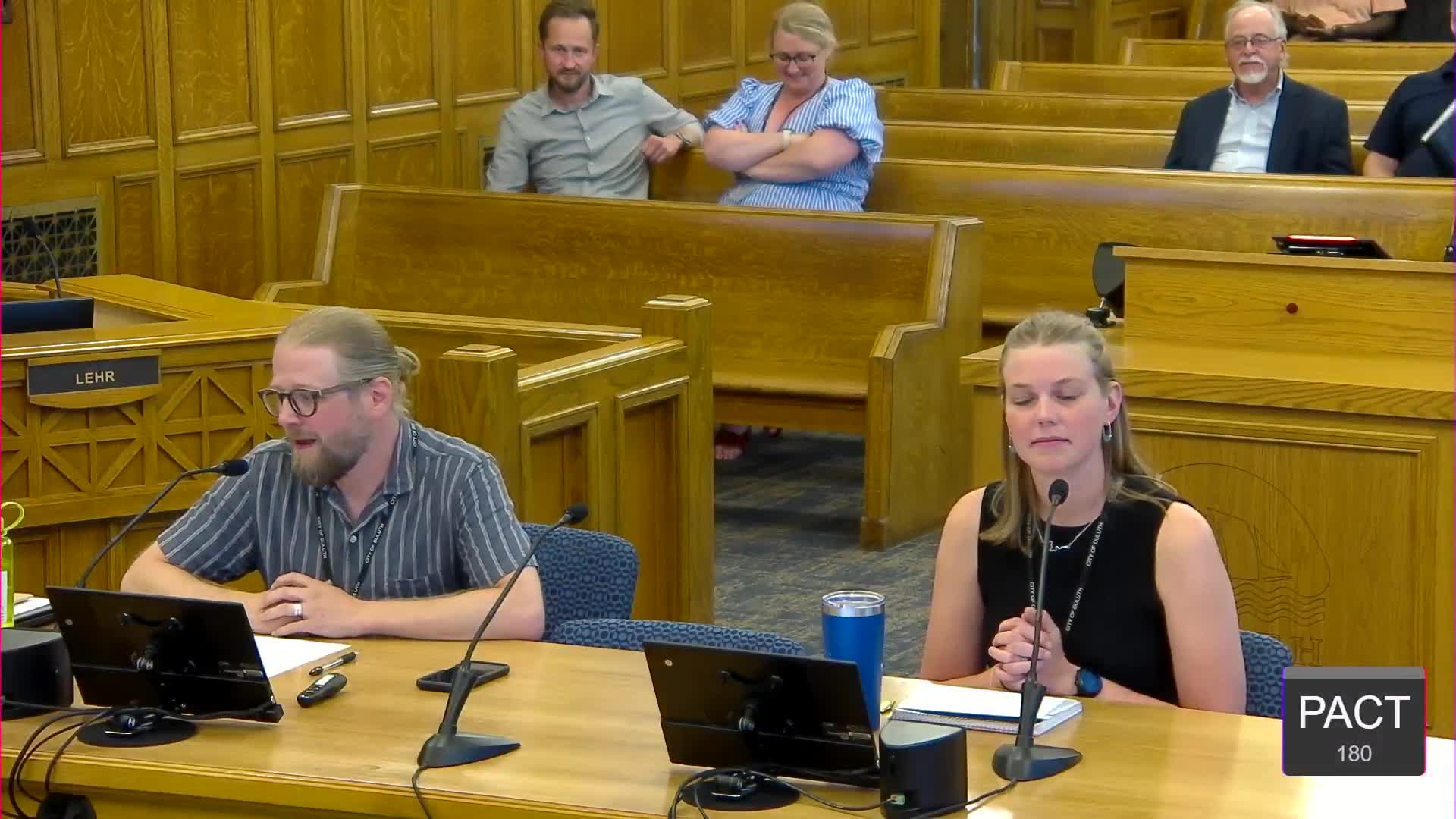
Tom Church, a senior housing developer with the City of Duluth, and Lena Fan Cook, a housing planner, presented findings from the updated Maxfield 2024 comprehensive housing needs analysis at the Duluth City Council's committee of the whole session.
Maxfield's analysis shows Duluth's population rose by roughly 0.5 percent between 2010 and 2020 (about 500 people) and estimates the city added about 1,300 people between 2020 and 2025, with a similar increase projected to 2030. The consultants project the city's population will exceed 90,000 by the mid-2030s, reversing years of stagnation.
The report found the city issued about 1,800 building permits from 2018 to 2024 (roughly 230 per year) and reported a banner year in 2024 with 621 certificates of occupancy. Still, Maxfield projects a need for roughly 6,000 new housing units by 2030 across for-sale, market-rate rental, and age-restricted senior housing. An additional roughly 2,500 units would be needed between 2030 and 2035.
"We need just over 6,000 housing units of all kinds, by 2030," Church said, summarizing the five-year planning horizon the city will use for action and updates. The analysis breaks demand into for-sale, market-rate workforce rentals (above 60% AMI), and affordable/subsidized rentals (below 60% AMI). The presenters emphasized continuing demand for affordable rentals and the role of Minnesota Housing Finance Agency funding for subsidized projects.
Lena Fan Cook summarized the rental survey Maxfield carried out for the city. The median rent for market-rate units citywide was reported as $1,443 per month, up about 6.5 percent from the prior reported median of $1,355 in 2022. Maxfield estimated the vacancy rate for market-rate stabilized properties at 1.8 percent (well below a typical 5 percent healthy vacancy) and found vacancy for affordable units at about 1.1 percent. The presenters also reported 53 percent of Duluth renters are cost-burdened (paying more than 30 percent of income for housing).
Council members asked about methodology and specifics. When Councilor Forsman asked how demand is calculated, Church said Maxfield uses census and American Community Survey population forecasts, employment and workforce data and market data to project housing demand and that the consultants would present methodology in greater detail at a separate fall briefing.
On housing product mix, staff highlighted a persistent dominance of single-family detached construction and very low townhome permitting: staff said townhome permits were near zero in 2022'-2023 and only about nine since 2020. Staff and Maxfield recommended diversifying housing products to include townhomes, condominiums and co-ops to provide more homeownership options and to free single-family stock as seniors move to age-restricted units.
Church and Fan Cook also noted Maxfield's finding that building senior housing can create market movement: Maxfield estimates roughly a 50 percent per-unit return effect, meaning new senior units can help free up one existing single-family unit for others.
The presenters closed with next steps: staff will develop an action plan in response to the study; Maxfield will brief the council in person in September; the housing trust fund response will be discussed in October; and the city will host the Duluth Housing Strategies Conference on Nov. 14.
The presentation was informational; council did not take action on the report at the meeting.
Sources and attribution: All direct quotes and figures above are taken from city staff remarks and the Maxfield presentation given during the committee of the whole. The presentations noted the full report (about 200 pages) contains additional detail that staff will make available and that the consultants will present methodology in a follow-up session.
What to watch next: an in-person Maxfield presentation to the council in September, a staff action plan in October, and the Duluth Housing Strategies Conference on Nov. 14.