Citizen Portal

Nominee outlines plan to pursue Department of Defense clean audit by Dec. 31, 2028

5559567 · July 31, 2025

Get AI-powered insights, summaries, and transcripts

Subscribe
AI-Generated Content: All content on this page was generated by AI to highlight key points from the meeting. For complete details and context, we recommend watching the full video. so we can fix them.

Summary

Michael Powers, nominated to be deputy undersecretary of defense comptroller, told the Senate Armed Services Committee he will set milestones, pursue system consolidation and use technology to support a departmentwide clean audit by Dec. 31, 2028, while emphasizing leadership accountability.

Michael Powers, President Trump's nominee to serve as deputy undersecretary of defense and comptroller, told the Senate Armed Services Committee that he would pursue a Department of Defense clean audit opinion by Dec. 31, 2028, if confirmed.

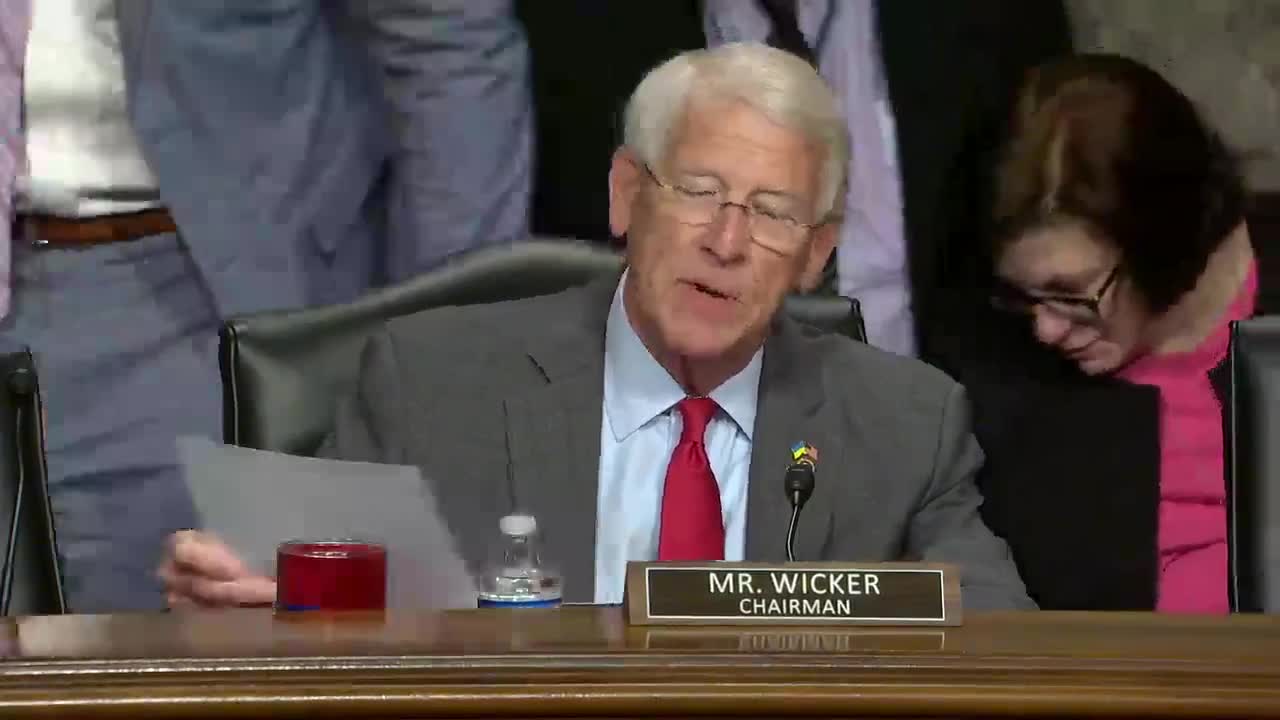
Powers said senior leadership engagement, consolidation of legacy financial systems and greater use of technology would be central to achieving that timeline. “One of the things we absolutely have to do ... is get senior leadership very actively involved in the process of setting milestones and holding the departments and defense agencies to those milestones,” Powers told Chairman Wicker and committee members. When asked directly about a date, he replied, “12/31/2028, senator.”

Why this matters: Congress has repeatedly required a clean audit of DOD financial statements and tied oversight to funding and execution. Lawmakers on the committee pressed Powers on the department’s long history of audit deficiencies, fragmented accounting systems and the expense of external auditors and remediation efforts.

During questioning, senators from both parties pressed Powers for specific early actions. Powers said that within weeks of confirmation he would work to set the first set of milestones and that much of the work would then be execution against those targets. He described core tasks as consolidating disparate financial systems, improving internal controls and applying modern data analytics and automation to auditing work.

Senator Tim Scott said he expected visible progress and accountability and asked whether new personnel would be needed; Powers agreed evaluation and personnel changes could be necessary to meet audit goals. Senator Angus King asked why a clean audit has been elusive; Powers replied that, historically, audit had not carried the same operational consequence in DOD as in private industry and cited too many incompatible systems and uneven organizational commitment.

Powers told the committee he had “been around audit a long time” and described experience managing large reconstruction and security assistance budgets overseas and serving as acting Army comptroller. He told senators he would report benchmarks and timelines to the committee and agreed to provide quarterly updates if confirmed.

What was not decided: The committee did not vote on the nomination during the hearing, and funding or legislative changes that Powers said would help achieve the audit — including provisions in the reconciliation bill and the 2024 NDAA referenced during the hearing — remain subject to separate congressional and DoD processes.

Looking ahead: If confirmed, Powers said he would begin by setting milestones with senior leaders and pursue system consolidation and automation; he told senators the work is achievable but will require sustained leadership focus and resources over several years.