Lifetime Citizen Portal Access — AI Briefings, Alerts & Unlimited Follows
Franklin County approves $81,500 from truck sale for miscellaneous road repairs
Loading...
Summary
The Franklin County Commission on Aug. 6 authorized staff to spend $81,500 from the sale of five dump trucks on a list of repair and preventive-maintenance projects, including a failing crossroad tube at Layton Center, shoulder and base repairs at heavy-truck routes and a crack-seal contract.
The Franklin County Commission on Aug. 6 authorized county staff to spend up to $81,500—funds the county received from the sale of five dump trucks—on miscellaneous road repair and preventive-maintenance projects across the county.
County public-works staff presented a prioritized list of repairs and asked the commission for authority to allocate the sale proceeds. "I think that's what I'm seeking today is just approval to spend that 81,500," said Jeff, a public-works staff member who presented the list.
Staff said the top two items are small but time-sensitive: a failed crossroad tube at the Eisenhower/Layton Center crossing (estimated at $1,500) and approach repairs on the John Brown Bridge prior to an upcoming chip seal. The presenters recommended contracting Kilo (a private contractor referenced by staff) for work that requires specialized milling or tack oil application and doing other, smaller patches in-house if feasible.
The packet also included proposals for shoulder work and base repairs where heavy quarry trucks are causing rutting on Tennessee Road and at a Martin Marietta approach, and a county staff estimate for crack sealing on a roughly 5.3-mile stretch from Sand Creek north to Ohio. Staff said one contractor quoted $34,640 for crack sealing using eight pallets of material at $4,330 per pallet and that county crews would provide traffic control. A separate apron repair at a logging entrance on Old 50 was estimated at about $3,000 for materials.
Staff discussed renting or buying a shoulder/spreader box to allow in‑house repairs on multiple sites and noted tradeoffs in cost and finish quality between county crews and a contractor's specialized equipment. "If Kilo does this one and not that one... if you mix and match and if you do have Kilo do that one," staff said, "then I think" the projects fit within the funds available.
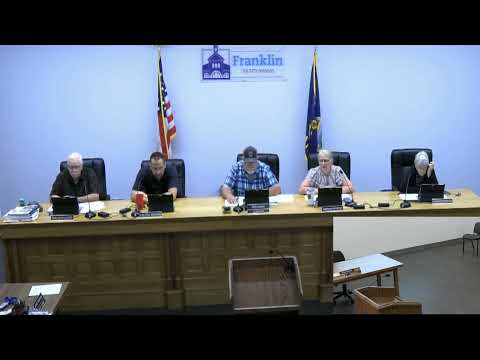
Commissioners asked about staffing and scheduling; public-works staff said they believed current staffing could take on several of the projects in-house and would coordinate work that intersects state right-of-way with the state. After discussion, a commissioner moved to allow staff to spend up to $81,500 for the identified miscellaneous repairs. The motion passed on a roll-call vote with Commissioners Wehmeyer, Meador, Dickinson and Chair Harris voting yes and Commissioner Meador recorded earlier as participating in roll-call; the clerk recorded the motion as approved.
The commission and staff framed the spending as preventive maintenance meant to extend pavement life ahead of the county's next chip-seal cycle and to protect road investments near heavy-vehicle access points. Staff said they would proceed with the highest-priority items first and return with details if larger contractual work or additional funding is needed.
Commissioners did not attach additional conditions to the spending authorization; staff will schedule and execute the repairs and return to the board with any material changes to scope or cost.
Ending: The repairs are intended to be completed in coming weeks where feasible, timed to coordinate with the county chip-seal program and other scheduled work; staff also noted they are monitoring mobilization schedules for outside contractors and equipment availability.