Get Full Government Meeting Transcripts, Videos, & Alerts Forever!
Get email alerts on the Small Business Reuse topic
No spam. Unsubscribe anytime.
Proposal to convert 1170 N. Whitechapel into "Southlake Snow" draws mixed reaction; safety and traffic top resident concerns
Summary
John Cornelson, a land-planning consultant with Evolving Texas, and owner Mitchell Allen proposed converting a vacant house at 1170 North Whitechapel Blvd. into "Southlake Snow," a seasonal snow-cone stand and youth entrepreneurship program.
John Cornelson, a land-planning consultant with Evolving Texas, and property owner Mitchell (Mitch) Allen presented a proposal to convert an existing vacant home at 1170 North Whitechapel Boulevard into a small business called Southlake Snow that would sell snow cones in summer, hot chocolate in winter and offer hands-on entrepreneurship experiences to local youth.
Cornelson said the plan emphasizes reuse and preservation: the team intends to keep the existing structure, preserve trees and use crushed-rock parking and low-impact site features. “We're looking at 100% tree preservation,” Cornelson said. The concept calls for one-way circulation on-site (one in, one out), limited hours, soft string lighting under trees and an educational component that would let youth—many from Carroll ISD—learn business skills and direct a portion of sales to local charities.
Owner Mitch Allen said several mobile homes previously on the parcel have been removed and that any remaining structures on the small parcel would be cleared; he said his goal is a community-focused, year-round location tied to charitable giving. The proposal would designate part of each sale to charities or local school programs chosen by patrons and participating students.
Supporters at the meeting praised the reuse idea and said the proposal is lower-density than alternatives. Mike Mills, a nearby resident, said the cleaned-up property is an improvement over its prior condition and called the plan low-impact compared with potential residential redevelopment.
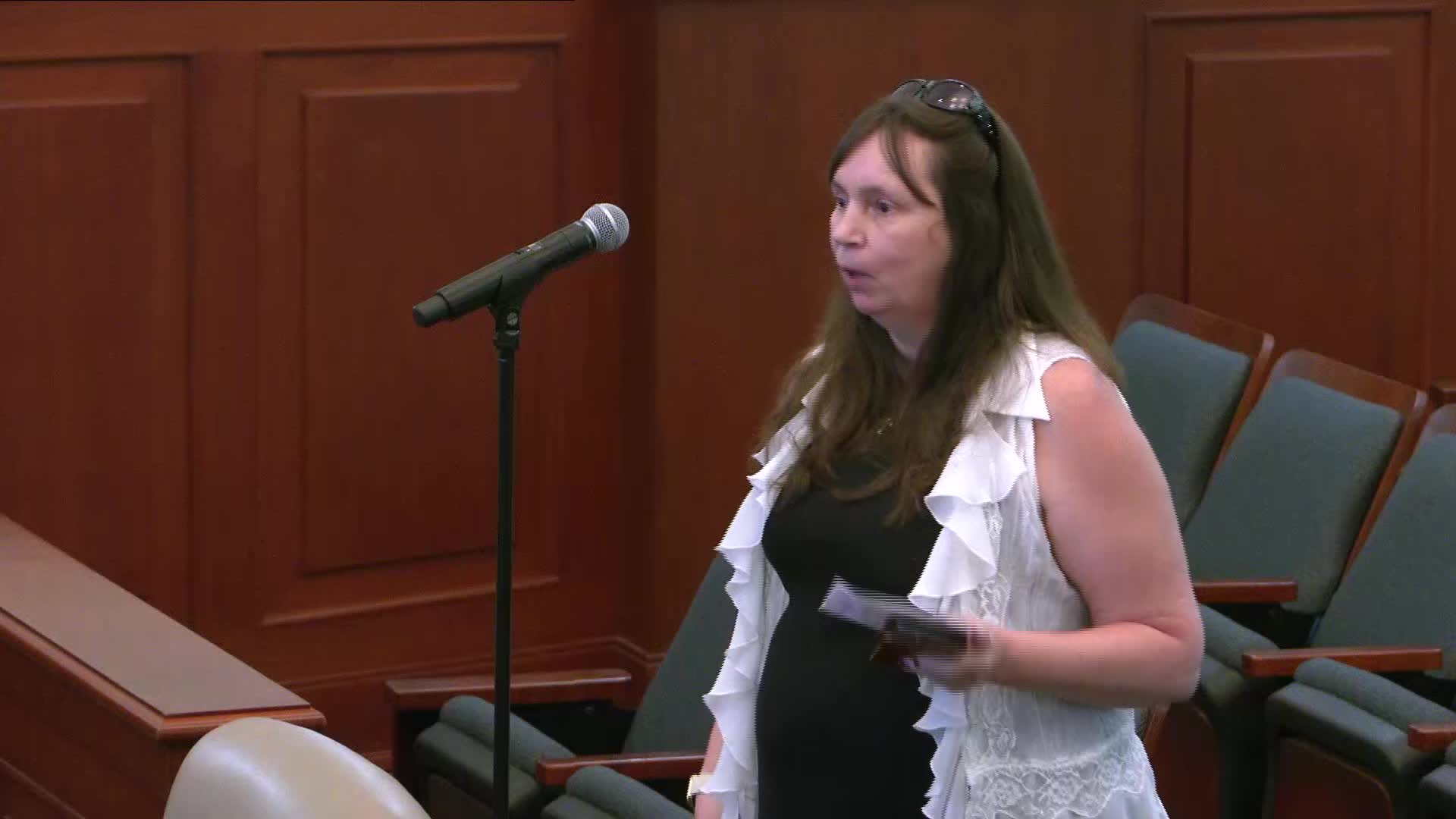
Several nearby residents opposed the plan or urged major changes based on safety concerns. Diana (last name not provided) and other speakers warned that speeding and heavy traffic on Whitechapel and at the nearby traffic circle create safety risks for children and pedestrians; one resident described repeated near-misses recorded on home surveillance cameras. Residents asked for traffic and visibility studies, tighter limits on hours, one-way circulation enforcement and design changes to reduce pedestrian exposure to fast-moving vehicles. A resident also noted prior short-lived snow-cone operations on Whitechapel and questioned the business's viability in that specific location.
Cornelson and Allen said they would work with the neighborhood and the city on traffic and safety mitigation measures and committed to continuing the conversation outside SPIN. They said the concept is intended to be community-oriented rather than a late-night hangout and that they would restrict hours and manage circulation.
The SPIN presentation was informational only; no permits or approvals were sought or granted at the meeting. The applicants said they will meet with planning staff and neighbors and return with more detailed site, traffic and operational plans as required by the city's review process.