Get Full Government Meeting Transcripts, Videos, & Alerts Forever!
Get email alerts on the Cyber Charter Outreach topic
No spam. Unsubscribe anytime.
Pennridge outreach reclaims dozens of students from cyber charters; district reports six-figure savings
Summary
Pennridge School District staff this summer called families of students enrolled in out-of-district cyber charter programs and reported recovering a group of students, district officials said Aug. 4.
Pennridge School District staff this summer called families of students enrolled in out-of-district cyber charter programs and reported recovering a group of students, district officials said Aug. 4.
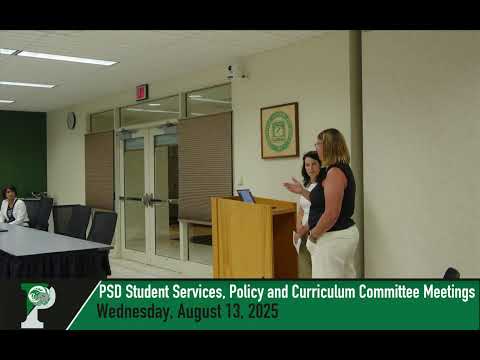
Jennifer Bloom, director of teaching, learning and assessment, said staff identified roughly 126 students in cyber charter records and made outreach calls. Bloom said 12 students have committed to return to in-person instruction with the district, four indicated they would enroll in the district's cyber/online program, two planned to enroll in other alternative programs, three moved out of the district and three planned to be homeschooled. Taken together, Bloom said, 24 students left cyber charter enrollment during the outreach effort.
Why it matters: District staff and the board framed the outreach as both an educational and budgetary win. Karen (last name in the record: Fair), who led the phone outreach, told the board her work directly produced $259,000 in avoided cyber tuition this summer; Bloom and other staff provided a separate, rough estimate that the district could avoid about $400,000 if current changes hold. Staff warned those totals are provisional because student enrollment can change before the school year begins.
Bloom described the outreach process as targeted phone calls: the district obtained cyber charter receipts, counted currently enrolled students (excluding graduates) and contacted households by phone over roughly a two-week period. She said the count (126) is student-level, not family-level, and that some households include multiple students.
Special-education and tuition details: District presenters said special-education students enrolled in cyber charters are substantially more expensive for the district. The board heard staff's per-student figures: Bloom said a special-education cyber charter placement costs about $34,000 per student annually, while regular-education cyber charter tuition runs about $15,000 per student. That gap was cited when staff calculated potential savings from students who return to district programs or transfer out of cyber charters.
Next steps and outreach plans: Bloom and board members discussed follow-up steps including a parent survey for families who declined offers to return and a fall open house for the district's online academy. Board members asked staff to update the district website and produce brochures and other marketing materials to sustain recruitment. Bloom also suggested prioritizing outreach to elementary and middle school families, and the board asked staff to pursue outreach to homeschooling communities.
Context and state policy note: Board members also discussed pending state legislation (Senate Bill 1500 mentioned in the meeting) that would cap cyber charter tuition rates; staff encouraged board members to contact local legislators. Bloom said the district has already sent a legislative letter advocating for reforms to cap tuition.
Ending: Board members thanked Karen and Bloom for summer work and asked staff to continue outreach and to return updates to the board as numbers firm up. Staff and board emphasized that the savings estimates are preliminary and enrollment could still change before the fall term.