Get Full Government Meeting Transcripts, Videos, & Alerts Forever!
Get email alerts on the Utilities Finance topic
No spam. Unsubscribe anytime.
Residents press council for clearer explanation of large sewer rate increases tied to plant upgrades
Summary
At the Aug. 5 Le Mars council meeting, residents questioned steep sewer-rate increases tied to wastewater plant replacement and new DNR-driven treatment requirements; city officials explained upgrades including UV and reverse-osmosis processes and said costs and regulatory changes drove the increases.
Residents at the Aug. 5 Le Mars City Council meeting pressed city officials for clearer explanations of planned water and sewer rate increases, which one resident said would amount to roughly a 173% increase in sewer charges by 2029 compared with 2024.
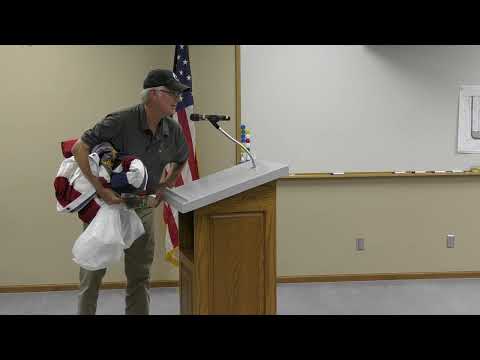
Jeff Lampe of 571 Happy Trails Drive told the council he reviewed notice materials and spoke with city staff but remained frustrated by the scale of the increase and how it was applied to recent billing cycles. Lampe said he paid $33 more on a recent bill after the city’s rate change took effect, and asked the council for a fuller explanation.
A city official (on the dais) responded that the city is replacing an aging wastewater treatment plant and must meet new discharge limits imposed by the state Department of Natural Resources. The official said the city has had to add ultraviolet (UV) treatment and implement reverse-osmosis (RO) desalination/RO treatment — regulatory- and technology-driven changes that raised costs.
Council members and staff said some of the costs are beyond local control, citing state requirements and associated expenses. They also noted that, even with the proposed increases, Le Mars' rates were low compared with a list of 45 peer cities (the city was said to be “third from the bottom” for cheapest rates on that list). The official acknowledged the burden on residents and said phased or gradual increases would have been less noticeable but that the capital needs and regulatory drivers required larger near-term adjustments.
Residents also reported problems during sewer-cleaning operations that caused toilet backups in some houses; staff confirmed the cleaning activity can create pressure effects in plumbing that occasionally cause such incidents.
No formal action was taken at the meeting on rates; the discussion was recorded as public comment and staff explanation.