Get Full Government Meeting Transcripts, Videos, & Alerts Forever!
Get email alerts on the Environmental Management Director topic
No spam. Unsubscribe anytime.
Committee pauses charter change for environmental‑management director after public testimony and questions about qualifications and pay
Summary
Bill 72 would remove the engineering‑degree requirement for the director of environmental management and instead require experience in public administration, private business or a related field. The committee received public testimony in favor, discussed required experience and salary constraints, and postponed the bill for further amendments.
The committee considered Bill 72, a proposed charter amendment to change minimum qualifications for Hawaii County’s director of environmental management. The proposal would remove a current requirement that the director hold an engineering degree or a related degree and instead require experience in public administration, private business or a related field. Committee members postponed the bill to the Aug. 19 meeting to allow authors to draft clarifying language.
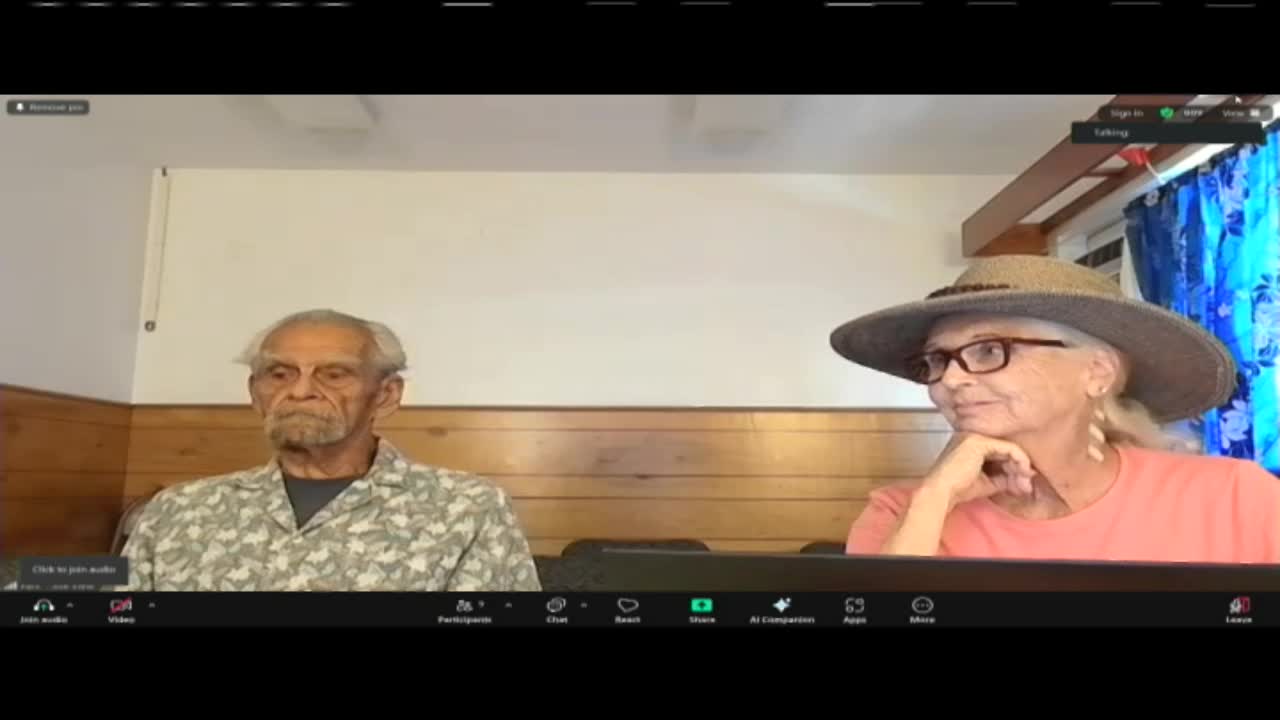
Public testimony: Two speakers in favor urged the committee to broaden the qualifications so the county can recruit experienced managers. John Olsen, testifying in support and speaking for himself, said the role “is far more complex than it was even a decade ago” and argued the county needs to pay competitively to attract qualified candidates. Eileen O’Hara, who identified herself as holding a doctorate in environmental economics and as an instructor since 1993, said a college engineering degree alone is not sufficient and urged the committee to “throw a wider net so we can get good leadership for the council.” She added that the salary commission, not the council, sets pay and that compensation constraints make recruitment difficult.
Committee discussion: Council members discussed whether the charter should require specific subject matter experience (for example, solid waste or wastewater expertise) or allow broader administrative experience. Several members asked Human Resources about staffing and certification issues related to wastewater operations; HR staff explained operator certification and varying position requirements and noted that creating a new department or changing duties would require consultation with unions and reclassification of positions.
Formal action: Committee members initially had a motion to forward Bill 72 to the full council with a favorable recommendation, but the bill was postponed so the author can return with draft amendments. The clerk recorded eight ayes with one council member excused on the postponement.
Next steps: The author plans to prepare amendment language specifying acceptable experience (for example, operational experience in solid‑waste or wastewater management or administrative/operational experience) and consult with HR and department staff on how education and licensure requirements interact with operational duties.
Ending note: Committee members said they want to broaden recruitment options while ensuring a director has the technical credibility to supervise licensed staff in wastewater and solid‑waste operations.