Get Full Government Meeting Transcripts, Videos, & Alerts Forever!
Get email alerts on the Homelessness topic
No spam. Unsubscribe anytime.
Fresno subcommittee presses for city–district data-sharing, cites student homelessness on campuses
Summary
City and school leaders described student and family homelessness across Fresno-area districts, discussed short-term supports and coordination, and directed city staff to consult the city attorney about drafting a data‑sharing MOU with districts.
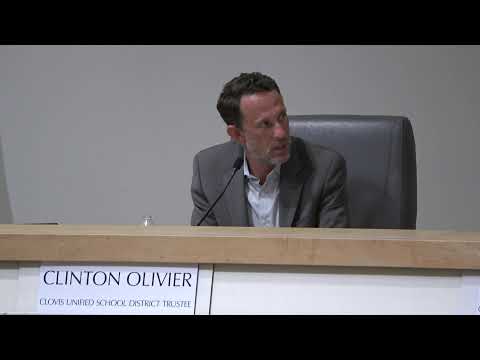
At a joint meeting of the Fresno City School Liaison Subcommittee on Aug. 4, council members and school trustees described continuing student and family homelessness across the city and asked staff to explore a formal data‑sharing agreement to improve planning and service coordination.
Members said districts are serving families experiencing homelessness through social workers, counselors and targeted housing investments but that gaps remain. Trustee Wilma Hashimoto (Clovis Unified) told the committee the district partners with the Fresno County Foster Care Network Improvement Community and runs on‑site social work supports; Trustee Yang (Sanger Unified) said her district identified “approximately 192 students” under the McKinney‑Vento definition and coordinates care through a neighborhood resource center. A public commenter urged faster action, saying children remain “outside, starving, hungry, thirsty” while agencies “say we’re working on it.”
Committee members discussed short‑term options, including expanded use of school sites for cooling/warming centers, use of empty school lots for modular or tiny‑home interim housing, and greater coordination of after‑school and campus‑based food supports. Council member Richardson suggested expanding campus club funding and exploring additional grant opportunities to provide free before‑ and after‑school care; Clovis Unified trustees said many Title I schools already offer no‑cost campus club seats while other schools charge fees that are waived for low‑income students.
On data sharing, the subcommittee directed city staff to engage the city attorney’s office to draft and evaluate a memorandum of understanding that would allow districts and the city to share non‑identifying, aggregate student homelessness data (for example, counts by ZIP code, school attendance area and age groups) and to clarify legal limits on sharing individual student or family identifiers. The clerk confirmed this direction will be pursued as staff work with district counsel. Council staff and the city affordable‑housing planner, Phil Skis, said the city recently met with Fresno Unified and other stakeholders on pilot housing efforts and sees improved information exchange as a priority for planning and resource alignment.
Members emphasized the need to distinguish de‑identified aggregate data (counts, ZIP areas, ages) from personally identifying information and said attorneys from each jurisdiction will need to clear any sharing plan. The subcommittee also noted that many services — shelter placements, rapid rehousing, school‑based nutrition programs — are time‑limited, and members urged the committee to focus both on immediate supports and on longer‑term affordable‑housing plans.
The direction to consult the city attorney on an MOU was recorded as a subcommittee action item for staff follow‑up.
The subcommittee said it will continue the topic at future meetings and attempt to produce specific, actionable next steps before the new school year.