Get Full Government Meeting Transcripts, Videos, & Alerts Forever!
Get email alerts on the Zoning And Licensing topic
No spam. Unsubscribe anytime.
Pawtucket delays Harmony Dog Training kennel renewal, asks city solicitor to weigh in on zoning vs. licensing
Summary
City council delayed a kennel renewal at 65 Patterson Ave., asked the solicitor for an opinion on whether zoning 'allowed-by-right' determinations conflict with licensing requirements that reference special-use conditions, and set the matter for the Aug. 6 meeting.
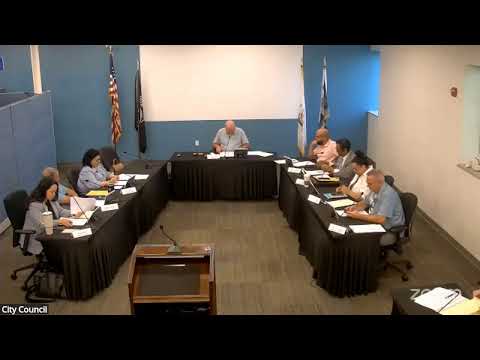
The Pawtucket City Council continued consideration of a kennel renewal for Harmony Dog Training LLC at 65 Patterson Avenue and asked the city solicitor for a written opinion on whether the city’s licensing rules should impose special-use buffering requirements that the zoning department treats as an “allowed by right” use.
Councilor Gregor raised resident complaints about the kennel’s proximity to homes and asked why the business had been granted zoning compliance without a special-use review. Zoning Director Carl Johnson explained the department’s process and told the council “this use in that zone is actually use allowed by right.” Johnson said the property is split between an industrial-open zone and a residential zone, and because the industrial portion constitutes more than half of the lot, the industrial-use designation prevailed. He cited a zoning use table and referenced "section 4 10 12" and subsections permitting dog handling, boarding and associated uses.
Councilors and the zoning director differed over whether licensing language that references special-use permit conditions had been incorporated correctly. Johnson said the special-use conditions—buffers, shrubbery and a limit that a kennel “can't be within 200 feet of a residential property”—apply when an operator requests a special-use permit, but not when the use is allowed by right. The zoning director suggested two remedies: change the use table to require a special-use permit for kennel uses, or remove the special-use language from the licensing ordinance and instead insert the special-use requirements directly into the licensing standards so applicants must demonstrate compliance when they apply for a license.
Councilor Gregor described repeated complaints from neighbors and said residents “have a right to to live peacefully within their homes,” arguing the council should consider whether the license renewal process adequately protects nearby residents. Other councilors said the licensing board can act if complaints continue, but the group agreed they needed a solicitor’s opinion before making a licensing decision. The council voted to request a written opinion from Solicitor Milos on whether prospective or retroactive ordinance changes would apply to this case and to continue the kennel renewal to the council meeting of Aug. 6 so the opinion can be included in the docket.
The transcript shows the owner of the kennel was not present; councilors directed that the kennel owner be notified of the continuation and the solicitor request. The licensing renewal was not decided at the meeting.