Get Full Government Meeting Transcripts, Videos, & Alerts Forever!
Get email alerts on the Pavement Management topic
No spam. Unsubscribe anytime.
Commerce City staff outline new pavement‑management mapping and plan to prioritize road repairs
Summary
Councilmembers pressed staff for a public, prioritized road‑resurfacing list and an explanation of how the city will choose which sections of 280 miles of streets to repair; public works staff said the city is deploying CityRover predictive pavement software and will present a road‑priority study session early next year.
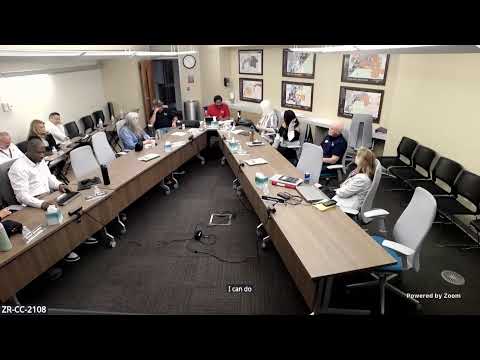
Councilmembers used the study session to press Public Works staff for a clear, public plan for assessing and prioritizing pavement repairs across Commerce City’s roughly 280 miles of streets. Residents and council members described long delays for resurfacing in some neighborhoods and asked how roads are chosen for repaving.
Public Works staff said the city is contracting with CityRover, a predictive pavement analytics platform, that will have vehicles scan streets to produce a Pavement Condition Index (PCI) and inform multi‑year maintenance plans. “It will allow for our public works to drive our streets to identify and grade our PCI conditions of all of our roads,” a public works presenter said; staff described the system as a tool to identify when a segment is moving from “fair” to “good” or “bad” condition so interventions—crack sealing, mill and overlay, or full reconstruction—can be scheduled before costs escalate.
Councilmembers asked for more transparency and a published list that shows what streets are slated for work in 2025 and 2026, including milling, resurfacing, and sidewalk priorities. Public Works said it provided a list at the time its pavement contract was approved and that staff will return with the date and details; staff also agreed to provide council a one‑page list or PDF of projects and to bring a full pavement‑management discussion at a future study session earlier in the year.
Council members also raised questions about the roles of county projects and special improvement projects (SIPs) in sidewalk and road work, and asked whether certain streets (for example, Ivy Street and Colorado Boulevard) will require full reconstruction or broader storm‑sewer investments; staff said those larger projects look like capital improvement program (CIP) or reconstruction projects and estimated a rebuild of Ivy Street at roughly $3.5 million.
Ending: Staff said they would provide the council with the pavement management meeting date, the list of streets included in 2024 and 2025 contracts, and a publicly accessible map of PCI conditions once CityRover data is available.