Get Full Government Meeting Transcripts, Videos, & Alerts Forever!
Get email alerts on the Tourism And Taxes topic
No spam. Unsubscribe anytime.
Fremont County commissioners notify clerk of intent to pursue lodging-tax ballot measure to expand uses
Summary
The Fremont County Board of County Commissioners voted unanimously to notify the county clerk of their intent to place a lodging-tax measure on the ballot after hearing from the tourism council about expanding marketing and possible additional spending categories allowed under House Bill 25-1247.
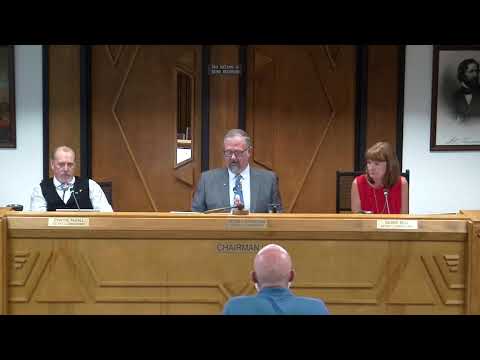
The Fremont County Board of County Commissioners voted unanimously to give written notice to the county clerk of their intent to place a lodging-tax ballot measure before voters, the board said during its July meeting.
The move authorizes formal development of a ballot question to increase the county’s lodging tax rate (currently 2%) and to specify additional permitted uses under House Bill 25-1247, the law that expanded allowable spending for lodging taxes. County Attorney Eric Bellas told the board HB 25-1247 adds a list of potential uses that can be included in a ballot measure, including housing and child care for tourism-related workforce, maintenance or improvements to public infrastructure, and “enhancing public safety measures” such as law enforcement, fire protection and emergency medical services.
Tourism council chair Adam Arnold urged the board to consider raising the tax to 6% (from the current 2%) to increase marketing and revenue continuity for the region’s tourism promotion. Arnold said the current 2% generates about $350,000 a year and that a 6% rate would produce roughly $1,050,000 annually. Arnold also said the council would like some of the additional funding to support “tourism improvement” items such as trailhead upgrades, porta-potty facilities and other visitor-experience investments.
Why it matters: lodging tax revenue is paid by visitors and is the primary dedicated funding source for tourism promotion. The board and tourism advocates framed the potential increase as a way to grow visitor-driven economic activity, while several commissioners said any campaign must explain to residents how the money will be used, and that infrastructure and public-safety impacts from greater visitation should be part of the discussion.
Board action and next steps: the board’s vote to notify the clerk is an initial, procedural step that preserves the option to put a finalized measure on a future ballot. County Attorney Bellas said the statute requires ballot language to list the additional uses a jurisdiction proposes to approve; the county’s staff and tourism council will continue drafting details and potential allocations. Commissioner comments during the meeting emphasized that county staff and funds will not be used to campaign for or against the measure (the board noted county dollars cannot be spent on election advocacy).
What was decided at the meeting: Commissioner Kevin Grantham moved to give written notice of intent; the motion was seconded and passed on a roll-call vote with Grantham, Commissioner Bell and Commissioner McFaul recorded as voting aye.
What remains undecided: the board has not settled on a final tax rate, specific allocation percentages, or which of the new statutory uses will be included on a ballot question. Commissioners and tourism stakeholders signaled further public discussions, budget work and outreach will be required before any final ballot language is adopted.
Context and caveats: County Attorney Bellas warned that the constitutionally required ballot (TABOR) language must be carefully drafted; that language does not distinguish who ultimately bears the cost (visitors versus local taxpayers), which will be an issue in any campaign. Commissioners also noted some lodging businesses favor stronger oversight of how revenue is spent because they collect and remit the tax.