Get Full Government Meeting Transcripts, Videos, & Alerts Forever!
Get email alerts on the Voter Identification topic
No spam. Unsubscribe anytime.
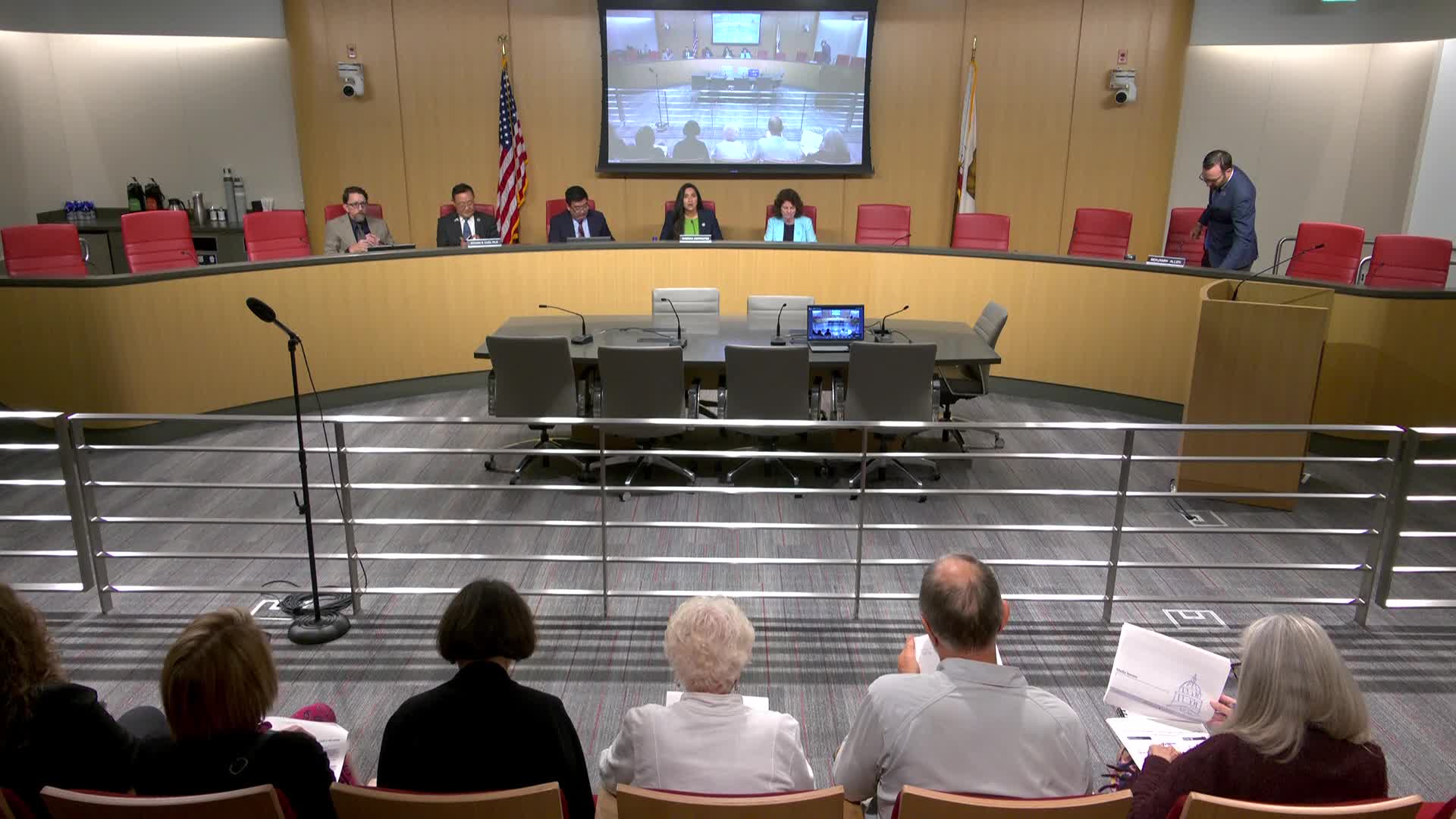
California officials, experts and advocates debate voter identification at state hearing
Summary
Secretary of State Shirley Weber told a California Senate committee that the state verifies voters’ identities at multiple points and that in-person impersonation is rare.
Secretary of State Shirley Weber told a California Senate committee that the state verifies voters’ identities at multiple points and that in-person impersonation is rare. "There is a myth that we do not have voter ID," Weber said, adding that verification begins at registration, when applicants must provide a California driver’s license or state ID, or the last four digits of a Social Security number, and that VoteCal assigns unique identifiers when those are unavailable.
Weber said California checks driver’s license and state ID numbers against Department of Motor Vehicles records and matches Social Security digits to Social Security Administration records. She told the committee that the state updates death records weekly with data from the California Department of Public Health and receives felon data from the Department of Corrections and Rehabilitation at least weekly.
“Out of 26,000,000 possible voters, we had 12 in the last 5 years that were fraud,” Weber said, citing a Heritage Foundation tally; she described that number as "virtually insignificant" given tens of millions of ballots cast in recent elections.
Santa Cruz County Clerk and Registrar of Voters Trisha Weber described county procedures for registration, same-day (conditional) registration, and signature verification for mail ballots. She said counties mark registrations lacking a driver’s license or Social Security digits with a “first-time federal voter” flag and that those voters must provide identification to clear the flag before a ballot counts. On signature checking she described a three-person review process for mail ballots that fail initial comparison and said the final determination can rest with the county clerk.
National and state researchers gave differing context. Katie Owens Hoobler of the National Conference of State Legislatures summarized how states vary widely on voter-ID laws: some require photo ID at the polls, others allow affidavits or alternative verification, and many rely on signature checks for mailed ballots. David Becker of the Center for Election Innovation and Research described state pilot programs that require ID numbers on return envelopes or permit pre-verification and said such steps can speed verification while keeping safeguards (for example, affidavit alternatives) to prevent disenfranchisement.
Devin Lavelle of the California Research Bureau summarized a literature and legal review of California cases and grand-jury reports since 2020. He said researchers found no evidence of widespread fraud in the counties that conducted grand-jury reviews and that the grand juries generally praised local election processes while recommending administrative improvements. Lavelle said the review identified a small number of prosecuted cases linked to candidate misconduct or isolated improper votes.
The committee also heard from advocates on both sides. Colleen Britton of Election Integrity Project California said VoteCal has produced mismatches and cited results she said show more votes than voters in some certified numbers; she argued for a government-issued photo-ID requirement for all voting methods. By contrast, Conrad Crump of Disability Rights California urged preserving current rules and cautioned that stricter photo-ID requirements would disproportionately burden people with disabilities, low-income Californians and communities of color. Rosalind Gold of the NALEO Educational Fund said restrictive photo-ID rules would worsen turnout disparities and impose costs on counties.
A concrete prosecution discussed at the hearing came from Sonoma County Deputy District Attorney Jessica Washington. She described referring charges after a social-media post from 77-year-old William Eschenbach in which he said he had "voted twice in each of the last 2 elections" and boasted that he had not been caught. Washington said county records showed Eschenbach returned a mail ballot and then voted in person; when he voted in person election officials voided the outstanding mail ballot, and the mailed envelope was never opened. Washington said Eschenbach pleaded guilty to one count of voter fraud in 2024.
Public comment at the hearing included supporters of stricter ID and people who urged improving trust and roll maintenance; some speakers cited local incidents they said merited further inquiry. Committee members asked whether increased ID requirements would improve confidence and whether such rules could be implemented without disenfranchising eligible voters. Panelists repeatedly emphasized trade-offs: some states have implemented photo-ID laws with affidavit alternatives and free IDs to reduce burdens, while others warned about logistical costs, ballot-envelope redesigns and potential legal challenges.
The committee did not take legislative action at the hearing. Members said they would follow up with staff and that subsequent panels and materials would inform future consideration of any statutory changes.