Get Full Government Meeting Transcripts, Videos, & Alerts Forever!
Get email alerts on the Right Of Way topic
No spam. Unsubscribe anytime.
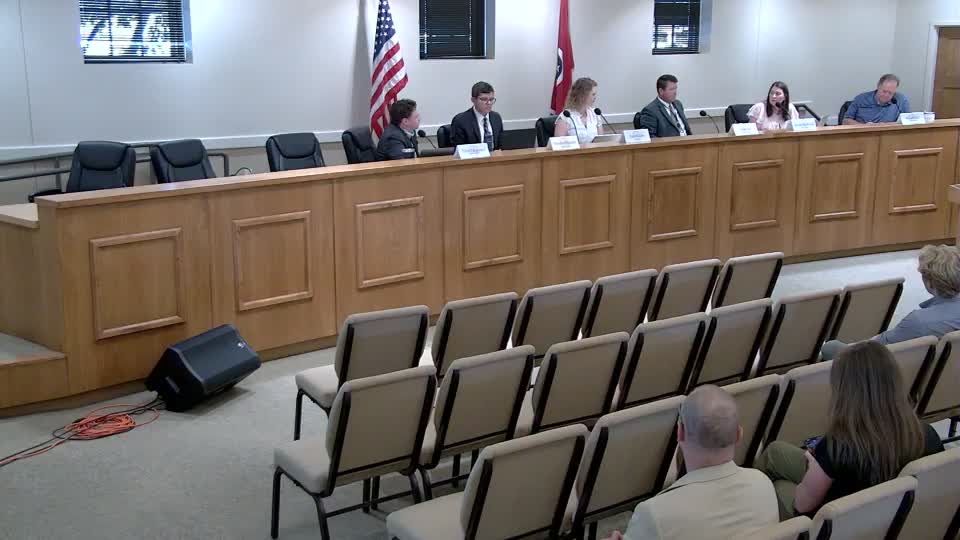
Board discusses condemnation for Sunset Road right-of-way; staff and consultants outline process and compensation
Summary
The board reviewed potential condemnation for a Sunset Road widening property after staff and right-of-way consultants reported negotiations; commissioners described condemnation as a last-resort tool but said it could be appropriate for road expansion when necessary.
Town staff informed the Board of Commissioners on July 28 that, while Rocky Fork right-of-way negotiations may be resolving without condemnation, at least one parcel needed for Sunset Road widening may require condemnation. The town's right-of-way agents and engineering consultants described the appraisal and negotiation process and answered questions about offers and timelines.
Why it matters: condemnation (eminent domain) for roadway right-of-way is legally sensitive and often the last resort; it may be necessary for public-works projects when negotiations do not reach agreement.
What consultants said Logan Reed, design engineer with Reagan Smith, explained the usual steps: complete preliminary and right-of-way plans, minimize impacts through design alternatives, provide legal descriptions and then initiate appraisal and acquisition. Right-of-way consultants perform appraisals using comparable sales, then staff presents offers and negotiates with property owners. Temporary construction easements are common and later released; permanent takings are appraised and compensated.
R and D Enterprises (right-of-way acquisition) representative Ralph Raymond told the board appraisals are opinions of fair market value and emphasized limiting takings to the minimum area necessary. The board heard that one property owner had consistently rejected the town's offer and was asking for an amount about 43% higher than the appraisal-based offer, a gap the town found unusually large.
Process and litigation questions Staff explained Tennessee condemnation law requires placing the appraised funds into a court account if condemnation proceeds; the court may require an additional appraisal before entering an order of possession. If the case proceeds, the town would deposit the appraisal offer; courts ultimately determine compensation. Board members asked about project timing, contractor schedules, and risks; consultants said an order of possession can allow the project to proceed even while legal settlement issues continue.
Next steps Staff will continue negotiations and keep the board informed. Commissioners emphasized condemnation should be used sparingly, as a last resort, and asked staff to pursue negotiated resolutions where possible.
Ending No condemnation was ordered at the work session; staff and consultants will continue negotiations and return if condemnation becomes necessary.