Get Full Government Meeting Transcripts, Videos, & Alerts Forever!
Get email alerts on the Capital Projects Bond topic
No spam. Unsubscribe anytime.
Board hears bond wrap‑up; about $3 million remains for roofs, HVAC, tech and curriculum
Summary
Operations staff reported substantial completion of bond projects — new roofs, HVAC repairs, stadium lights and exterior work — and described a roughly $3 million reserve the district plans to use over five years for remaining repairs, energy retrofits, technology and curriculum purchases that fit the bond ballot language.
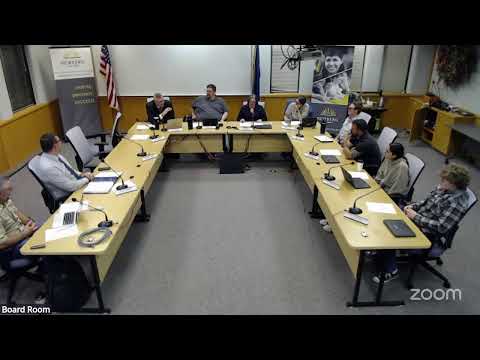
Ben Burkhart, coordinator of operations, updated the Newberg‑Dundee Public Schools Board of Directors on final bond work, saying most prioritized projects are complete and the district has about $3 million in residual bond interest and unspent allocations to deploy under conditions set by the original bond language.
Ben said roof replacements, siding, HVAC upgrades, lighting and other building‑envelope work were primary uses of the funds this year; examples cited included a full roof replacement on Joanne Austin Elementary School, work on the physical plant, and repairs to multiple roofs and gym surfaces at the high school. The district also completed stadium light upgrades; neighbors told the board the new lights reduced light spill and were an improvement. Ben described less‑visible infrastructure work such as auditorium HVAC upgrades and mechanical replacements.
Nathan (staff member) told the board the residual dollars must be used only for projects that match the ballot language. He summarized five allowed categories the district is using as a decision filter: increase health, safety or security; update or upgrade classrooms; update or upgrade technology; update or upgrade schools and facilities; or invest in classroom or education programs. The district said it has sought bond‑counsel advice to confirm those allowable uses.
Tentative allocations discussed at the meeting included more than $500,000 set aside this year for curriculum purchases (with roughly $600,000 budgeted next year), roughly $400,000 set aside for an LED energy‑efficiency retrofit this year with a projected additional $300,000 to complete remaining schools, and a tech‑infrastructure allocation of roughly $400,000 this year with about $300,000 planned next year for device and server replacements and software licensing. Officials said those amounts are part of a five‑year glide path intended to stretch the remaining funds while the district reintroduces some replacements into the general fund over time.
Ben described a portion of the residual money as a contingency for unanticipated capital repairs and planning costs. The presentation named partners such as the Energy Trust of Oregon and a referenced state program (identified in the meeting as “Senate Bill M 49” and a public‑purpose charge rebate) as potential sources of rebates when energy projects qualify, which could lower net costs for LED retrofits.
Board members asked practical questions about visible outcomes (roofs, lighting) and about the process for approving future projects from the residual funds. Nathan emphasized the district will vet projects against the ballot language and cabinet priorities before bringing proposals to the board. Ben said many immediate roofing and HVAC problems that produced daily leak calls last year have been addressed and that he expected the replacements to perform over the life of their warranties.
The board also discussed a few small outstanding items and non‑capital finishing work; staff said some items were deferred during construction peaks and would be completed as funds allow. Ben and Nathan said they will return with prioritized project recommendations and costs for the board to consider.
The board and community speakers praised the improvements, and a resident noted the stadium lights produced less nuisance light. Staff said the intention is to use the remaining funds conservatively and to keep money available for long‑range facilities planning and possible pre‑bond analysis when the district evaluates future capital needs.