Get Full Government Meeting Transcripts, Videos, & Alerts Forever!
Get email alerts on the Wastewater Treatment topic
No spam. Unsubscribe anytime.
Genomoto Foods proposes $12 million on‑site wastewater plant in Lampasas; residents raise odor and location concerns
Summary
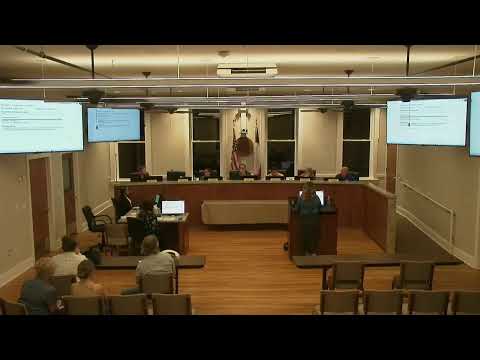
Genomoto Foods told a Lampasas town hall on Aug. 11 that it plans to invest roughly $12 million to build a permanent, on‑site wastewater treatment system at its downtown manufacturing campus, a project the company says will reduce the load on the city's treatment plant and free capacity for future growth.
Genomoto Foods told a Lampasas town hall on Aug. 11 that it plans to invest roughly $12 million to build a permanent, on‑site wastewater treatment system at its downtown manufacturing campus, a project the company says will reduce the load on the city's treatment plant and free capacity for future growth.
The investment, Genomoto representatives said, would be built on company property adjacent to the existing plant and is intended to limit the amount of industrial wastewater sent to the city's pretreatment system. "This investment demonstrates Genomoto's commitment to the city of Lampasas," David Gardner, the company's chief supply chain officer, said during the presentation. Company representatives said the project would protect roughly 400 jobs at the plant and create construction and operations work during and after build‑out.
Why it matters: Genomoto officials said the system would allow the municipal plant to accept more residential and commercial customers by lowering the industrial strength of the wastewater currently discharged from the factory. Residents and downtown business owners attending the workshop pressed company staff and city officials for details about odor control, noise, temporary equipment and the plant's location near Cooper Springs, the Sculpture Garden and other downtown amenities.
Company presentation and details Bruce Schroeder, a company representative who said he has worked at the plant since 2007, traced the site's history and described Genomoto's economic footprint in Lampasas, saying the plant supports about 400 employees, contributes roughly $20 million a year to the local economy and paid about $860,000 in property taxes last year. "Our goal is to be a trusted employer, partner, corporate citizen, and valued member of the Lampasas community," Schroeder said.
David Gardner said the permanent system would include equalization and biological treatment tanks and odor abatement. Company officials said they expect the capital project to take about two years to complete and said they plan to keep tanks below 20 feet so they will be less visible from the street.
Temporary measures and operating details James Lanzell, who identified himself as the plant's maintenance manager, described a set of temporary pretreatment measures installed on site over recent months. He said those interim systems have been used to reduce the loading sent to the city and to avoid frequent truck trips to offsite disposal. "A lot of this temporary equipment has been put in place simply to try to reduce loading from the plant to the city so that we can reduce the surcharge," Lanzell said, and he described a recent hauling rate of about 6,500 gallons a week to an offsite disposal contractor during the interim stage.
Community concerns and city response Several downtown business owners and residents told the council they remain concerned about persistent odors and visual impacts from temporary equipment on the plant site. Local contractor Mike Urban and others said the smell has affected business on Fourth Street and urged the company and the city to ensure the permanent design addresses odor and aesthetics. "There's a horrible smell. If the wind blows out of the north, there's a horrible smell that comes over to my buildings," Urban said.
Eddie Bell, a local resident active in downtown projects, said the plant's location next to Cooper Springs and the Sculpture Garden raises quality‑of‑life questions for the neighborhood and urged a stronger visual plan for any permanent equipment.
Company staff said odor control and noise abatement are part of engineering work now under way and that they are open to design suggestions and continued collaboration with the city and community groups. Gardner said the company is willing to participate in a committee to discuss building aesthetics and integration with the square.
What remains unresolved Workshop attendees pushed for more specifics about the permanent system's technology, the exact size and height of tanks, winterization and emergency response plans for temporary tanks, and a timeline for removing interim equipment. City staff said they will continue sampling and monitoring the interim system while Genomoto advances design of the permanent plant; a city staff member reported that Genomoto's temporary measures have cut loading roughly in half during runs when the system was operating.
The company repeated its intention to remain in Lampasas and said the wastewater project is intended to secure local jobs and to allow the city's sewer plant to accept additional residential and commercial growth. Company and city officials did not present a formal permit or a final engineering design at the meeting; questions on several operational details were left open and will be addressed in future staff exchanges.
Ending: City staff said they will continue to meet with Genomoto and with neighborhood representatives to review engineering specifications, odor abatement plans and the permanent project timeline.