Get Full Government Meeting Transcripts, Videos, & Alerts Forever!
Get email alerts on the Tourism topic
No spam. Unsubscribe anytime.
Richmond Region Tourism tells council visitor spending and tax revenue are rising, supports thousands of jobs
Summary
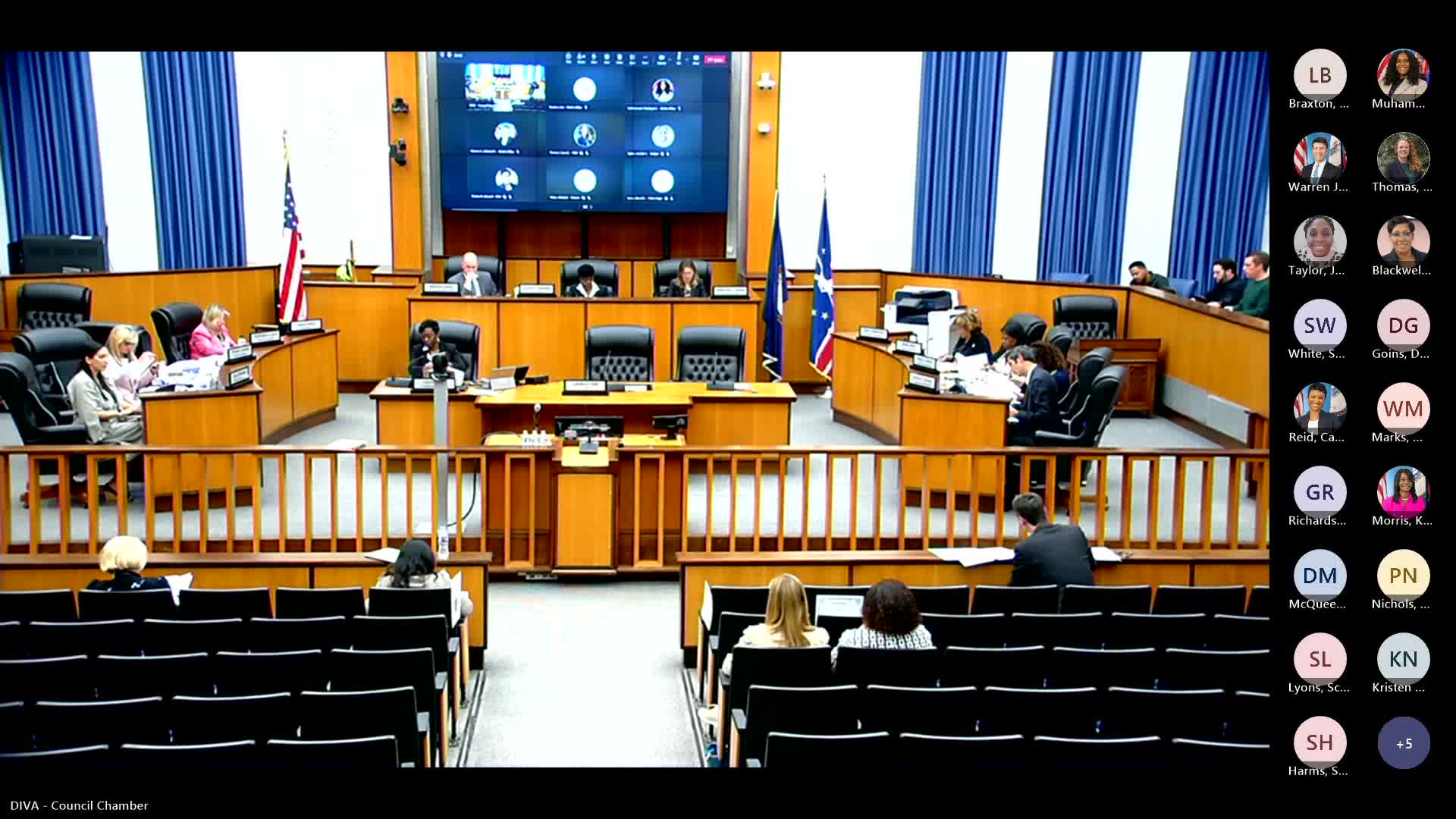
At an informal Richmond City Council meeting, Richmond Region Tourism leaders reported rising visitation and tax revenue for the region, said the organization represents seven localities and supports more than 8,000 jobs in the city and region.
At an informal Richmond City Council meeting, Catherine O'Donnell, president and CEO of Richmond Region Tourism, and Danielle Fitzhugh, the group's vice president, delivered the organization's annual update, saying visitor spending and tax revenue in the Richmond region have increased and support thousands of local jobs.
The presentation emphasized the regional approach Richmond Region Tourism uses to market the area and the diversity of the region's tourism economy. "We really take a regional approach to tourism because the visitor does not understand county lines or city lines," O'Donnell said, describing why the organization represents seven localities and has operated for more than 40 years.
Why this matters: Tourism generates sales and lodging tax revenue that supports public services and local businesses, and the presenters told council the sector has recovered from the COVID downturn. The agency reported that the region recorded over $39,000,000 in total tax revenue in the last fiscal year and said visitor activity supports more than 8,000 jobs in the Richmond area.
During the update, O'Donnell outlined four principal tourism sectors in the Richmond region: visits driven by family and friends, meetings and conventions (the region hosts the state's largest convention center), sports tournaments and events, and general leisure travel. She said family-and-friend visits are the single largest reason people come to the region and that the diversity of attractions—ranging from theme parks to retail and wineries—helps spread visitor spending across multiple localities.
O'Donnell and Fitzhugh also pointed to hotel occupancy and tax-collection trends as primary performance indicators and said overnight stays have increased, which typically brings higher local spending. The presenters said the region recovered from the COVID downturn more quickly than previous recessions and showed an upward trajectory in visitation and overnight trips.
Council did not take formal action on the presentation. The tourism update was given as part of the informal meeting docket and preceded a series of budget-related papers that the council planned to continue to a subsequent meeting.