Get Full Government Meeting Transcripts, Videos, & Alerts Forever!
Get email alerts on the Disparity Study Placement topic
No spam. Unsubscribe anytime.
Committee removes disparity‑study item from its charge, members disagree where it should be housed
Summary
Council members debated whether the city’s planned disparity study belongs with the Jacksonville Human Rights Commission, data analytics, procurement, or the executive branch. The committee discharged the item from its current charge for future, broader review
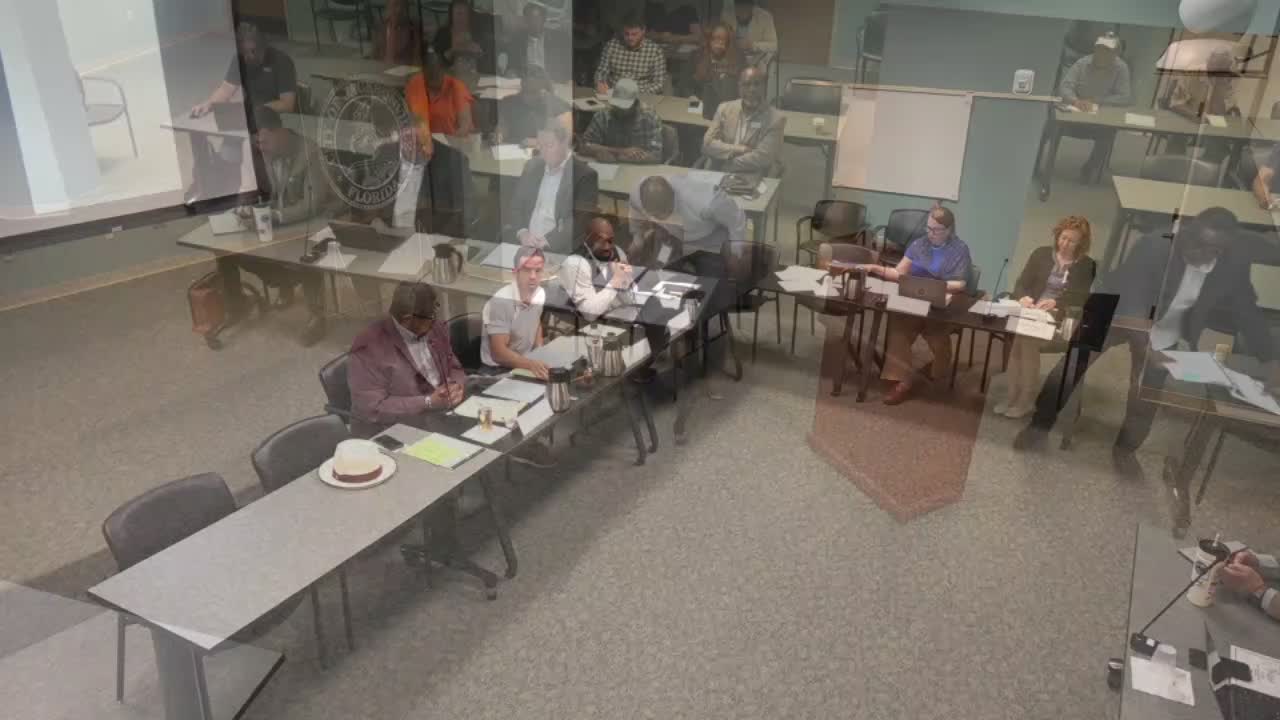
Members of the Jacksonville City Council’s Special Committee on JSEB discussed on April 7 where a proposed disparity study should be housed and who should execute it, and decided to remove the study from the committee’s immediate charge and address it in a separate forum later.
Why it matters: The disparity study was described by commenters and community groups as essential to documenting gaps in city contracting and to justifying race- or gender‑conscious measures. Committee members disagreed about whether the study is a complaint-driven human-rights function, a proactive procurement analysis, or a task for an executive-level analytics office.
Rudy Jamieson, representing the Jacksonville Human Rights Commission, told the committee the commission’s ordinance limits its jurisdiction to complaints about housing, public accommodation and employment, and that most small and emerging businesses fall outside the commission’s statutory jurisdiction. "Most small and emerging businesses would be out of our jurisdiction to even investigate because they have less than 15 employees," Jamieson said.
Bridal Norris, speaking for the administration, said the disparity report is a proactive procurement tool that lives most naturally within procurement or an executive analytics office rather than the Human Rights Commission. Council members suggested alternatives including data analytics, finance, the ombudsman’s office, or the executive office more broadly, and expressed concern that a data-analytics position could be vulnerable to budget changes.
Action taken: The committee chair said he would "discharge it from this committee" for now and schedule a separate meeting to determine where the study should sit, while affirming the study remains necessary. Committee members asked administration staff to prepare a fuller plan and to confirm where, within the executive branch, the study might be produced and returned to council at a date certain.
Ending: Committee members agreed the disparity study should continue, but they did not adopt a final decision on who will conduct it or on a timeline; the item was tabled for a future, dedicated discussion.