Get AI Briefings, Transcripts & Alerts on Local & National Government Meetings — Forever.
Council declines to endorse bill that would ease procedures for police and fire pension cost‑of‑living adjustments
Loading...
Summary
After hours of debate, El Paso City Council rejected a motion to support House Bill 4591, which would alter the process for initiating cost‑of‑living adjustments for local fire and police pension funds; the motion failed 7‑1 amid concerns about long‑term fiscal risk and shifting authority away from taxpayers.
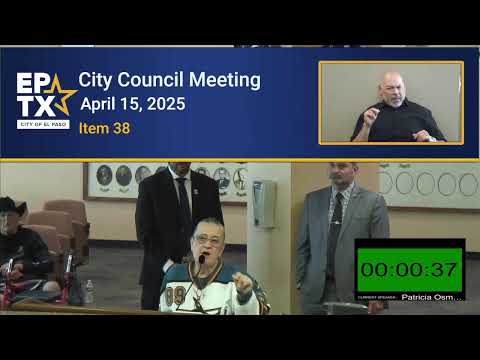
El Paso City Council on April 15 voted against a resolution asking the state to approve House Bill 4591, a bill that would change how cost‑of‑living adjustments (COLAs) for the city—s police and fire pension funds can be initiated. The motion to support the bill failed 7‑1; Representative Limon cast the lone vote in favor.
What the bill would change: HB 4591 would add a procedural pathway allowing a majority of a pension fund—s trustees plus a majority of contributing members to initiate a COLA so long as actuarial thresholds were met, reducing the current requirement that increased contributions or certain benefit changes be approved by a public vote (or otherwise come through the city council).
Why council rejected the endorsement: Council members from across the political spectrum said they respect the city—s uniformed employees and want to support retirees, but they argued the bill weakens taxpayer and council oversight of long‑term liabilities. Several members, including Mayor Pro Tem Chavez, Representative Maldonado Rocha and Representative Canales, said decisions that could increase the city—s pension obligations should begin with the city council because the city ultimately carries the liability. Council staff and finance officials briefed the body on the city—s ongoing responsibility from a 2007 rescue of the pension fund: the city still carries roughly $157 million in remaining pension obligation loan payments and staff argued the bill could enable future benefit increases without adequate safeguards for municipal budgets.
Staff recommendations and follow‑up: City staff recommended against supporting the bill and urged further negotiations with pension trustees to develop a joint funding policy and a better framework for any statutory change. Staff also recommended hiring an independent actuary to model the long‑term fiscal impact of recent and proposed COLAs and to examine the amortization period (staff cited a $476 million figure as the fund—s remaining unfunded liability in one actuarial communication). Council members asked staff to continue to work with pension trustees, legal counsel and state legislators on mutually agreeable reforms.
Vote: Motion to adopt a supportive position on HB 4591 failed 7‑1 (Representative Limon voted yes; the remainder of council voted no). Council members who voted against the motion cited long‑term fiscal risk and the need to preserve the city—s ability to approve contribution increases and benefit changes through the budget and ballot processes.
Next steps: Council and staff said they will continue discussions with the pension boards, invite formal funding policy negotiations and seek an impartial actuarial review before the next legislative cycle.