Get Full Government Meeting Transcripts, Videos, & Alerts Forever!
Get email alerts on the Vacant Property topic
No spam. Unsubscribe anytime.
Brookings adopts vacant-building registration ordinance to curb blight
Summary
The Brookings City Council adopted a vacant-property registration ordinance intended to document owners, require basic maintenance, and give the city tools to address deteriorating commercial and residential properties. Council approved the ordinance after two readings; one councilor voted no.
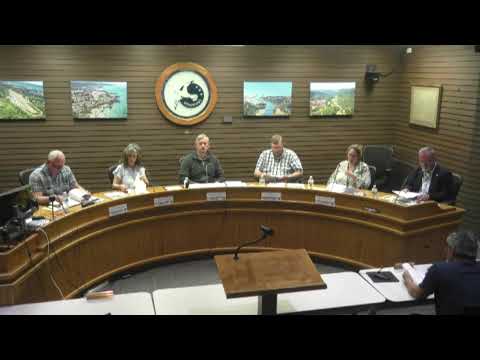
The Brookings City Council on April 14 adopted an ordinance creating a vacant-property registration requirement intended to keep abandoned or distressed commercial and residential buildings maintained and easier for the city to contact.
City staff told the council the ordinance is aimed at three objectives: identifying owners of vacant properties, ensuring owners know their obligations under city codes, and requiring a minimum standard of maintenance. A draft ordinance and a sample vacant-property registration form were attached to the meeting packet.
The ordinance’s backers said a modest registration fee and a public record of vacant properties help shift the costs of neglect from neighborhoods and the city to property owners. City staff cited the Center for Community Progress as a model for the ordinance’s key elements, including registration procedures, a fee structure and penalties for noncompliance. Staff also noted the ordinance is not designed to be punitive but to provide the city tools to secure compliance and offer programs such as façade assistance as incentives.
City staff presented examples and addressed common objections, including concerns that a fee could discourage investment. “A vacant-property registration ordinance encourages responsible investment and lending while discouraging irresponsible investment and speculation,” staff said during the presentation.
Council discussion touched on the balance between regulation and property rights. Councilor Martin said he opposed the ordinance, saying government should minimize interference with private property. Other councilors said the city had limited, nonpunitive tools and that registration information is useful when properties create hazards or attract crime.
The council conducted two readings by title and then voted to adopt ordinance 25-0-817 amending Title 15 (Buildings and Construction) of the Brookings Municipal Code to add a chapter on registration and maintenance of vacant buildings. The motion to adopt passed by recorded vote. The meeting record shows one councilor voting no and the remainder voting yes.
The ordinance requires owners of vacant properties to register and provides the city with a mechanism to collect contact information and, in some cases, proof of liability insurance for vacant buildings. The staff packet included a recommended fee structure (a $25 initial registration fee is described in the staff presentation materials) and outlined steps the city could take for noncompliance, including fines and potential enforcement actions.
The council adopted the ordinance after staff explained implementation steps and after council members reviewed examples from other cities. Staff said the draft language would be inserted into the Brookings Municipal Code and that a registration form and program rules were included in the packet for review.
The ordinance’s adoption closes a long-standing workshop item for the council and gives staff an administrative tool to address vacant properties that are contributing to blight or public-safety hazards.
Ending: The new ordinance will take effect as provided in the municipal code (the staff presentation and the adopted ordinance text are part of the city packet). Council members asked staff to return with any administrative procedures needed to implement the registry and to consider whether additional outreach or minor adjustments (for example about insurance proof for occupied businesses) are warranted.