Get Full Government Meeting Transcripts, Videos, & Alerts Forever!
Get email alerts on the Higher Education Tickets Tax topic
No spam. Unsubscribe anytime.
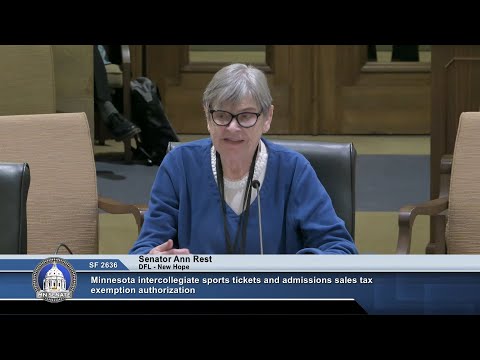
University of Minnesota urges sales-tax exemption on collegiate event tickets; committee lays measure over
Summary
University athletics representatives told the Senate Taxes Committee that a sales-tax exemption on collegiate admissions would reinvest roughly $2.3 million currently paid in sales tax into student-athlete scholarships and services. The committee laid the bill over for further consideration.
Senate File 2636 would exempt admission tickets for intercollegiate athletic events at Minnesota’s public colleges and universities from state sales tax. Jeremiah Carter, senior associate athletic director for the University of Minnesota Twin Cities, testified the athletics department currently pays about $2.3 million annually in sales tax on ticket revenue and that the university would use saved funds to support scholarships, mental-health resources and student-athlete services.
"Gopher Athletics is more than just games. It's a cornerstone of our state's identity, and it delivers real impact," Jeremiah Carter said. He told the committee that the University funds roughly 320 full scholarships annually and that the athletics program produces measurable statewide economic activity.
Department of Revenue revenue estimates included in committee materials modeled likely collections differently for Minnesota State campuses and the University of Minnesota; the department estimated the University would account for about half the bill’s fiscal effect as modeled. Committee members asked questions about safeguards and asked the university representatives to provide additional detail about how any exemption savings would be used.
The committee laid the bill over.
Why it matters
Supporters said retaining ticket revenue for programs would permit reinvestment in student services and scholarships and help the university remain competitive within the Big Ten. Opponents or skeptics were not recorded in committee, though members sought more detail about equitable use of any savings across men’s and women’s programs.
What’s next
University staff said they would follow up with committee members with more detail on scholarship distribution and program spending plans.