Get Full Government Meeting Transcripts, Videos, & Alerts Forever!
Get email alerts on the Stormwater Drainage topic
No spam. Unsubscribe anytime.
Residents press council over Cross Timbers drainage as Knights Landing development proceeds
Summary
Residents described repeated flooding and erosion near Knights Landing and urged the council to delay construction until independent drainage studies and remedial measures are complete. Town staff said legal limits constrain council action while staff continues site visits and homeowner assessments.
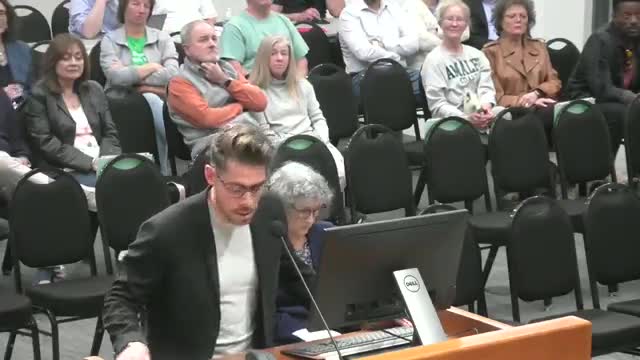
Dozens of residents from the Cross Timbers neighborhood addressed the Flower Mound Town Council during a lengthy public‑comment period focused on drainage problems linked by speakers to recent clearing at the Knights Landing development.
Neighbors presented photographs and video showing washed‑out creek banks, a missing tree buffer and changes to overland flow paths. Stephen Wood and other property owners said erosion has already undermined fences and cut into embankments. John David Frith and others said they had been told by the seller or developer the land would be developed with only a small number of large homes, but identified later proposals for a denser subdivision and tree removal.
Speakers urged council to delay site work and require an independent, town‑funded hydrologic and hydraulic study and a post‑grading analysis before construction continues. Jeanne Ferrier and others said they had not received expected public notifications; several residents described a feeling of mistrust with staff and the developer over timing and disclosures.
Town staff and counsel described their current actions and legal constraints. Staff said engineering and code teams have made on‑site visits, are reviewing drainage‑assessment forms submitted by homeowners, and are performing targeted maintenance work such as adding a north drop inlet, replacing a 48‑inch reinforced concrete pipe and reconstructing a headwall in certain locations. Town staff said those measures are intended to reduce immediate risks while the town continues site visits and homeowner consultations.
Town Attorney Brent explained the limits of council authority when an applicant withdraws exceptions and the application becomes ministerial: "Once they remove those, if it meets all of the requirements of our ordinances, they're legally required to approve it," he said, describing the change from discretionary to ministerial review and the reduced discretion available to the council and Planning & Zoning Commission.
Council members and staff said they have visited affected properties, and staff reported about a dozen homeowner site visits complete with additional visits planned. Council directed staff to continue the drainage assessment process, reassess conditions at the end of the summer, and prepare a capital request as part of the next budget cycle if studies indicate town capital projects are needed. Residents said they were seeking an independent study and more direct town action.
Why it matters: The dispute highlights limits on local control when an application meets existing zoning and code requirements, and the tension between resident safety/asset protection and property owners’ development rights. Council and staff must balance legal constraints with community pressure for near‑term remedial work.
What’s next: Staff will continue homeowner site visits and compile results; council asked staff to report back when the assessment process produces substantive recommendations and to include funding options in the next budget if capital projects are recommended.