Get Full Government Meeting Transcripts, Videos, & Alerts Forever!
Get email alerts on the Budget topic
No spam. Unsubscribe anytime.
Pelham UFSD reviews 2025–26 budget line by line; voters to decide May 20
Summary
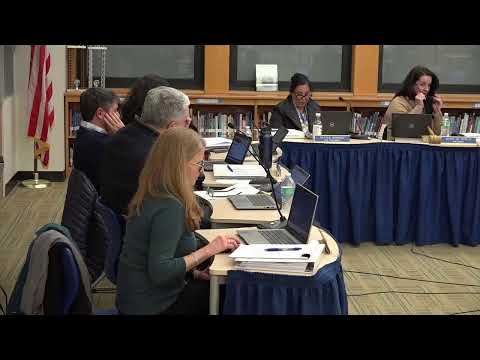
The Pelham Union Free School District Board of Education on April 2 continued a line-by-line review of the proposed 2025–26 budget and set a timeline to finalize the plan April 22 for a May 20 voter referendum.
The Pelham Union Free School District Board of Education on April 2 continued a line-by-line review of the proposed 2025–26 spending plan and set a timeline to present a finalized budget to the board on April 22 and, if approved, to put the budget before district voters on May 20.
The review placed facilities, personnel and benefits at the center of the discussion. John Condon, Director of Facilities, walked the board through operations and maintenance line items covering custodial and summer help, grounds and building equipment, vehicle fuel, and contracted services. He told the board “we're actually finally at full staff, which is a nice place to be,” while noting several recurring cost pressures from fuel, light and power, and water service.
Administrators warned of several cost drivers that affect next year’s recommended budget. They flagged a recent increase in insurance costs (estimated in the budget review at roughly a 12% year‑over‑year increase for the district’s insurance line), higher health insurance costs (noted as about a 9% increase for active employees), and state retirement contribution rate changes. Jim, a business‑office presenter at the meeting, said the employer rate for the New York State Employees’ Retirement System (ERS) rose and was reflected in the proposed budget; the district also noted year‑to‑year movement in the Teachers’ Retirement System contribution rate.
Facilities projects discussed in the review included replacement of the high school turf field (scheduled for this summer), ongoing pre‑bond architect and scope work, and planned HVAC replacement in buildings where units are failing. Condon said many systems are aging and some projects can only be done in summer months. He also described routine annual costs such as elevator inspections and maintenance for the district’s seven elevators and recurring contracted field and turf maintenance.
Security and monitor staffing prompted extended discussion. Superintendent Dr. Champ reviewed the district’s use of a third‑party vendor identified in the meeting as Bridal for some security monitors, explaining the vendor rate is $32.95 per hour but that figure includes company overhead for training and insurance and is not the direct hourly pay received by every monitor. The district presented that the budget assumes the equivalent of 24 hourly monitors (the budget line covers front‑door, hallway and cafeteria posts), and said contractual and hourly lines can be adjusted by transfers if staffing needs change during the school year.
Human resources items surfaced in the line‑by‑line discussion. The executive in charge of HR described a proposal to add three Frontline Education modules — Recruiting and Hiring, Frontline Central for onboarding and a data analytics module — to move many hiring and onboarding tasks from paper to digital workflows. The HR presenter said the modules would prepopulate forms and create a clearer applicant-to-onboarded-employee workflow, and that “it will really increase our ability to use data and to access data quickly.”
Transportation and debt service were reviewed in sequence. The business office outlined costs tied to contract yellow‑bus runs (for special‑education and out‑of‑district routes), public transportation passes for eligible students, and field‑trip and athletic transport. The presenters reiterated that eligible transportation expenses generate state transportation aid; the district reported historical aid recovery at roughly the mid‑40 percent range for qualifying expenses. On debt service, the board was shown multi‑year lease accounting for the Sanborn building and scheduled principal/interest payments for capital improvements.
Board members asked for follow‑up materials to help compare staffing and student enrollment over time. Administrators said the board will get updated transportation census numbers after the April 1 deadline and any state budget changes affecting foundation or building aid will be brought forward as they occur. The board plans a finance committee meeting before final action and additional budget discussion at its next scheduled meeting.
Votes at this meeting included routine approvals of minutes. The board approved minutes for Jan. 22 and a Jan. 28 work session. No budget adoption vote occurred at the April 2 meeting; the board expects to finalize the recommended budget April 22 and to submit it to the voters on May 20 if approved.
What’s next: the board will receive updated transportation and state‑aid numbers as available, hold a finance committee meeting to reconcile remaining questions, and consider any adjustments before the April 22 finalization and the May 20 budget vote.