Get Full Government Meeting Transcripts, Videos, & Alerts Forever!
Get email alerts on the Ethics Appointments topic
No spam. Unsubscribe anytime.
Council deadlocks on housing-authority CEO's planning-and-zoning nomination amid ethics disclosure questions
Summary
A nomination for the Planning and Zoning Commission prompted council debate about the City of Denton ethics ordinance and required disclosures. The appointment vote tied 3–3 and will return to a future meeting after council requested more information about potential conflicts.
The City Council considered a nomination on April 1 to appoint the executive director of a local housing authority to the City of Denton Planning and Zoning Commission and became deadlocked after hours of discussion over ethics-disclosure rules.
Council Member Jester (listed in the meeting transcript as raising the issue) audited the nomination backup and asked why the packet did not include the disclosures the city’s ethics ordinance requires when a newly appointed city official may have a conflict of interest. The ordinance language discussed at the meeting (transcript citations: sections 2-272 and 2-273 as read during debate) requires a city official who has a conflicting interest in a pending matter to file a disclosure with the city auditor covering the prior calendar year and up to the date the conflict arises.
Jester argued the nominee oversees a housing authority that is engaged in multiple ongoing projects—projects raised from the housing authority’s March meeting agenda—and said the disclosures should be provided to council in advance so members could see whether recusal would be required on matters likely to appear before the Planning and Zoning Commission. "Why would I pretend I don't know that and go forward with the vote not having all that information?" Jester said.
The city attorney advised the council that the nominee, as an applicant, is eligible to serve and that the charter does not preclude the appointment. The attorney also explained that if the nominee is appointed, that position will make the appointee a "city official" subject to the ethics code and its disclosure and recusal obligations going forward. The attorney did not perform a substantive ethics analysis of the specific nomination packet; he said the office had provided a confidential memorandum in response to staff queries on charter eligibility.
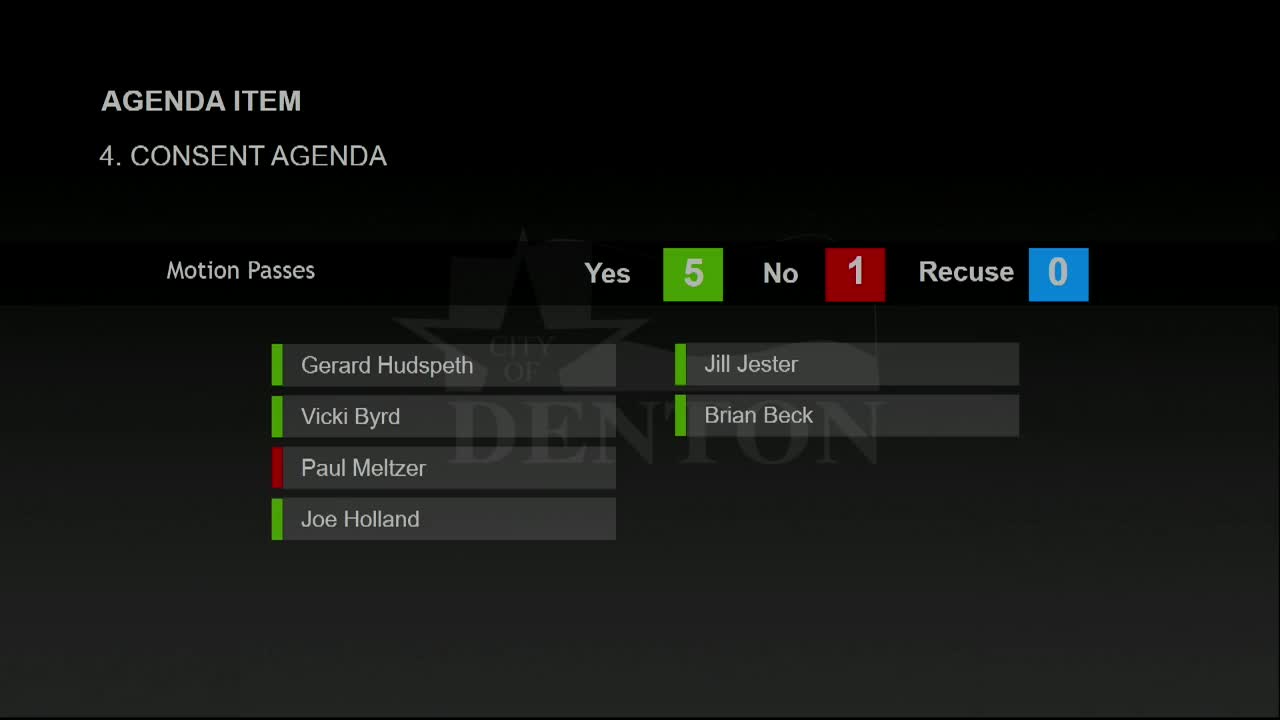
Council split and motions: Council debated two procedural motions. A motion to postpone the appointment until the requested disclosure materials were provided was seconded and then deadlocked in a tie, failing to carry. A subsequent motion to approve the appointment also resulted in a 3–3 tie. Under council rules the tie on the main motion will cause the nomination to return on the next council agenda for further action. Because the council did not reach the four affirmative votes required for official action, the item remains unresolved.
Concerns cited by council members included the volume of projects overseen by the housing authority and the potential frequency with which the commission would be asked to consider matters affecting that authority; several members said they expect the nominee to recuse where required but argued that the upfront disclosure would allow the council and the public to judge the scale of possible conflicts before a vote. Other council members said the nominee is eligible and that recusals are handled when, and if, specific matters arise.
Ending: The nomination will return to a future meeting for further action after the council’s parliamentary tie; council requested supplemental disclosure information and clarity about projects, developers and ownership that could present conflicts. The briefing included no final appointment.