Get Full Government Meeting Transcripts, Videos, & Alerts Forever!
Get email alerts on the Property Taxes topic
No spam. Unsubscribe anytime.
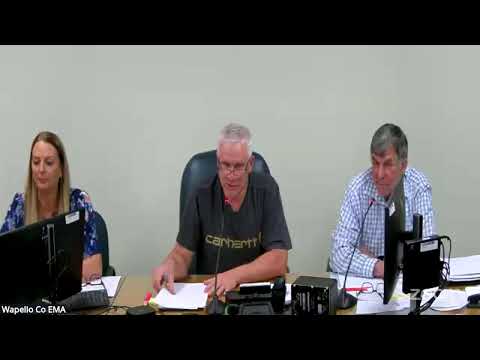
Wapello County residents press supervisors over proposed levy increases at public hearing
Summary
At a county public hearing, dozens of residents urged supervisors to find alternatives to raising property taxes as officials described budget pressures from state changes, rising insurance and wages and a nearly $2 million budget increase.
Wapello County held a public hearing on proposed levy-rate changes during which dozens of residents urged the Board of Supervisors to seek alternatives to higher property taxes as county officials described rising costs and state-driven changes to how levies and rollbacks are calculated.
The hearing, opened by the board, focused on examples mailed to property owners and on a county budget that officials said increased by $1,980,582 from the prior year. Darren, a county official, said the board trimmed department requests and held lengthy budget meetings but still faced higher costs for salaries and insurance.
The matter matters to homeowners and rural residents, several of whom described steep increases in their annual bills and said the mailed examples were confusing. “They can’t even be here to represent themselves because they’re working to to pay property taxes,” said Travis Decker, a county resident, describing family members who could not attend because of work. John White, a full-time farmer, said his insurance rose sharply: “My insurance went up 51% from last year to this year.”
County staff and supervisors identified several factors that contributed to higher bills. A county staff member, Kelly, explained the county’s general-basic levy: “The $3.50 that everybody keeps referring to … that’s our county levy rate.” County officials also cited state legislation — discussed in the hearing as House File 718 and other recent bills — that changed levy calculations and rollbacks and shifted some state funding that previously reduced local levies.
Residents asked why rural levy increases appeared larger than urban increases and whether the county had other revenue options. Landon Allen, a resident of Bear Creek Estates, said the proposed rural increase looked disproportionate compared with urban increases and urged supervisors to work with state legislators on a formula to avoid steep differential impacts on rural taxpayers. Marilyn Russ and Roger Russ pressed staff to explain how the rural levy figure translated into dollars for individual taxpayers.
Darren and other county officials offered context during the hearing: the county’s overall budget increase was about 2.2%, but some individual levies and the assessed values used to calculate taxes had grown more because of state equalization and increases in assessed property values. Officials reiterated that some revenue streams the county depends on are set by the state and that parts of the budget, such as jail operations, are county responsibilities even for residents who live in city limits. “You do benefit from all of this,” Darren said in response to a resident who questioned services.
Speakers also raised broader concerns tied to state policy. Connie Hammersley Wilson, a county resident who said she had followed the bills closely, warned residents that consolidation and state-level changes could shrink county capacity and services: “This is going to kill us … we have to be paying attention to what’s going on.” Several residents described the prospect of losing homes in retirement if taxes continue to rise and asked for clearer communications and individualized help from county staff.
County staff offered tools and next steps: officials said the assessor’s website and a state management website include calculators residents can use to estimate the dollar effect of proposed changes on individual properties, and staff offered to meet with residents individually to review their notices and assessed values. Officials also noted operational steps the county is taking to contain costs, including not filling some vacancies and increased sharing of equipment and services with neighboring counties.
Formal motions at the meeting were procedural: the board approved the agenda, opened the public hearing, closed the hearing, and adjourned at the meeting’s end. Vote tallies for those procedural motions were recorded as voice votes on the floor (“Aye”); no roll-call vote counts were provided in the transcript.
As next steps, county officials said they would continue budget work, provide additional explanatory materials to residents who requested them, and follow up individually with taxpayers who asked staff to review assessments or mailed examples. Several residents said they will contact state legislators and attend upcoming forums to press for changes at the state level.