Get Full Government Meeting Transcripts, Videos, & Alerts Forever!
Get email alerts on the Utilities Rates topic
No spam. Unsubscribe anytime.
Manassas council agrees to advertise water, electric and sewer rate changes for public hearing
Summary
City staff told the Manassas City Council that enterprise utility funds are operating below break-even and recommended rate increases; council agreed to advertise proposed increases (water 8.5%, electric 6.5%, sewer 3%) for a public hearing.
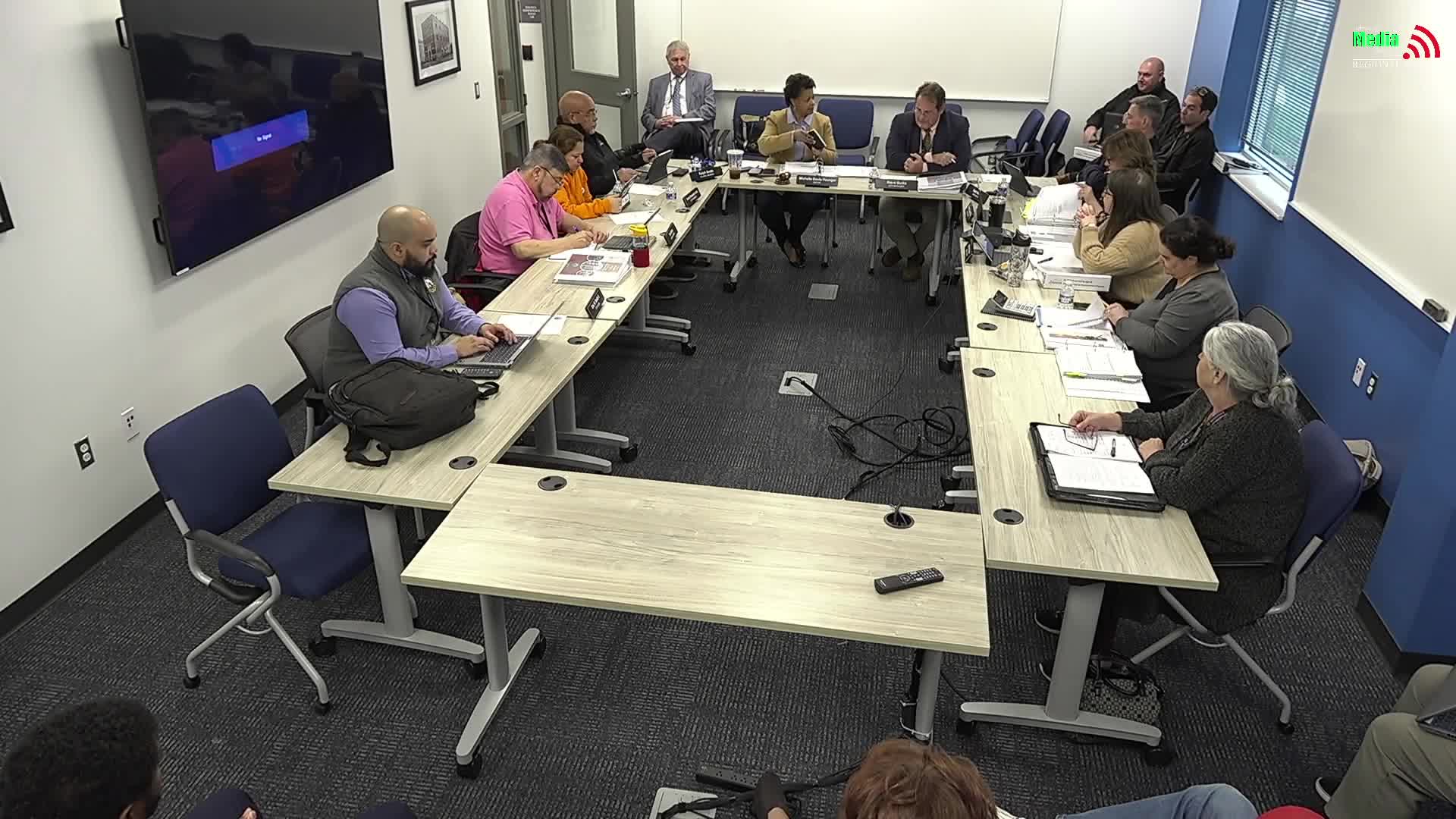
The Manassas City Council agreed by consensus to advertise proposed utility rate changes for a public hearing after a staff presentation showing the city's electric and water enterprise funds are not covering operating and personnel costs.
City staff told council the consultant recommended a larger increase but proposed an 8.5% annual increase as a compromise; under that scenario, staff said electric would reach break-even in about three years and water in about five years. "The 8 and a half percent will not arrive at a break even for personnel and operating in electric for 3 years if we do the 8 and a half percent increases for all 3 years. It won't reach a break even point for water for 5 years," said Mr. Burke, a staff member presenting the study.
The council directed staff to publish the advertised rates and hold a public hearing before final action. Council members who spoke during the discussion emphasized both the financial need and the burden on residents: Council Member Vasquez Luna said she understood the numbers but told colleagues, "I don't see any other options, 8.5 is too high," and asked about alternatives. Several council members suggested compromises; the body settled on advertising water at 8.5%, electric at 6.5% and sewer at 3% for the required public-notice period.
Why it matters: Staff said the utility enterprise funds must operate like independent businesses so future borrowing will not be penalized by low reserves or apparent cross-subsidies from the general fund. Council and staff repeatedly warned that continuing to draw on reserves could force the city to bond needed capital in the future and increase financing costs.
Details from the presentation - Staff said the FY26 numbers show a shortfall in the electric fund under current rates and that reserves are being used for capital and operating costs. Staff cited roughly $3.6 million proposed use of electric fund balance and near $7 million in water for the current budget year; staff also described recurring electric operating costs and projected revenues in the $50 million range for FY26. - The consultant initially recommended a roughly 17% adjustment, which staff said would be unacceptably large for the community; staff proposed 8.5% as a more gradual path. - Staff said annual increases of 8.5% would likely restore self-sufficiency for electric in three years and water in five; reducing the increase by 1% to 2% would add one to two years to those timeframes, according to staff estimates shared in the meeting. - Staff said the average residential household would see about a $12 per month increase across electric, water and sewer with the advertised rates (8.5% water, 6.5% electric and 3% sewer), and that usage patterns (summer peaks, conservation, or new customers) could change revenue outcomes. - Staff noted the city receives peak-shaving payments from Dominion (historically about $300,000900,000) that help offset electric operating costs and that solar customers (about 210 currently) receive a bill offset; staff said the consultant recommended changing the solar credit closer to the city's actual marginal cost.
Council concerns and next steps Council members pressed staff for more detail on reserve targets and the size of the reserve gap; staff committed to provide the specific reserve-gap figures in follow-up materials. Council members stressed sensitivity to the local economy and asked staff to continue evaluating alternatives, including whether electric and water rates must rise at identical percentages or could be set independently.
Staff said they will advertise the proposed rates and schedule the public hearing; the transcript did not include a firm final hearing date. Final adoption of any rate change will occur after the public hearing and any additional council action required by law.
The presentation and discussion were limited to the single agenda item on utilities for the evening; staff also said they will return to the utility commission to review and consolidate reserve and tap-fee policies for easier administration.
Ending Council members asked staff to provide the historical rate-change record and a precise reserve-gap calculation ahead of the public hearing so members and residents can evaluate the options before a final vote.