Get Full Government Meeting Transcripts, Videos, & Alerts Forever!
Get email alerts on the Recreation Center Governance topic
No spam. Unsubscribe anytime.
Wayne Select Board asks lawyer to review three options for recreation center governance and budgeting
Summary
The Select Board agreed to send a subcommittee memo, a narrative of current operations and a January proposal from the recreation center to the town attorney. The board requested legal guidance on three governance options, budget transparency, donor conditions and liability implications before deciding how to proceed.
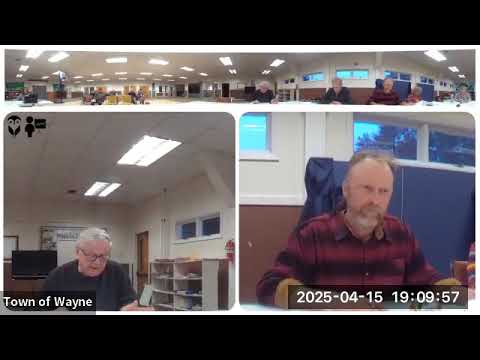
The Town of Wayne Select Board on April 15 directed staff to send a subcommittee memo, a narrative of current operations and the recreation center’s January proposal to the town attorney for legal review. The board asked the lawyer to assess three governance models under consideration: (1) the recreation center incorporates as a separate legal entity and contracts with the town, (2) the center is made a town department under the town manager and select board, and (3) a hybrid that makes the center a town committee with appointed members and integrates its budget into the town process.
Board members and rec center representatives said the action responds to long‑standing budget and administrative ambiguity. According to discussion, the town currently pays roughly $100,000 annually for center salaries (funded by charitable gifts and program revenue) but the town’s formal budget shows only about $22,158 of those costs; participants said payroll and employment taxes exceed $126,000 and other expenses add roughly $44,000. The board asked the lawyer to advise how donor gifts, conditional contributions and the rec center’s bank account should be treated in town budgets and whether donors would accept a change in organizational structure.
Eric, who represented the recreation center in the meeting, told the board that incorporating as a separate nonprofit would likely increase administrative costs and could require an additional $5,000–$10,000 annually to cover duplicated services such as payroll and accounts payable. Board members said they want clarity on liability and risk management if the town assumes responsibility for center operations, and they asked whether voters would need to approve a town department or an ordinance to set the relationship.
The board also discussed housekeeping steps that could be taken during the current budget cycle: better tracking of donated funds, formal recognition of contributions in warrant articles, reconciling the rec center’s bank account at the federal credit union, and creating an official town reserve account tied to center funds. Members asked staff to highlight key questions in the memo before sending it to counsel and to obtain a clean copy of the narrative document from Eric.
Next steps set by the board: finalize and highlight the memo and attachments, send them to the town lawyer, and schedule a telephone conference between counsel, select board members and town staff to discuss legal viability of the options, donor implications, liability and budget procedures. Board members suggested some remedies (budget line‑item clarifications and more transparent warrant reporting) could be pursued immediately pending legal advice.