Get Full Government Meeting Transcripts, Videos, & Alerts Forever!
Get email alerts on the Minimum Wage topic
No spam. Unsubscribe anytime.
Allentown council urges state to raise minimum wage to $15 and lift preemption
Summary
The council passed Resolution R49 calling on the Pennsylvania legislature to raise the state minimum wage to $15 and to lift preemption so cities like Allentown could set local wages. Supporters included union members and service workers; one speaker warned of potential economic consequences.
Allentown City Council voted to adopt Resolution R49, a nonbinding measure urging the Pennsylvania General Assembly to raise the minimum wage to $15 an hour and to remove state preemption that prevents municipalities from setting higher local wages.
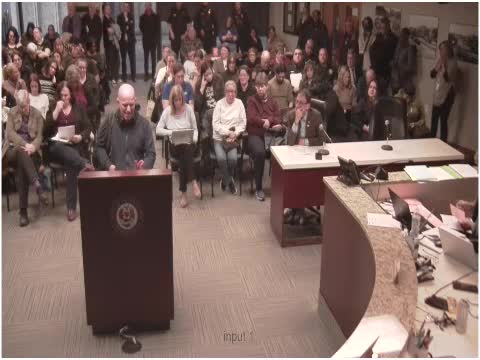
The resolution prompted several public comments from workers and residents who said current wages are insufficient to cover basic needs. “I work for a local nonprofit and I earn $29,000 a year,” said Regina Padilla, who told the council she spends more than half her income on housing. “A minimum wage of $15 is not demanding luxury — it’s about rent, groceries and simply being able to breathe each month.”
Union members and school food-service staff spoke in favor. A speaker identifying herself as a longtime public‑school food-service worker and SEIU member described coworkers earning roughly $10 an hour and urged the council to support the state bill (HB 1150, as referenced by speakers) that would raise the floor.
A small number of commenters opposed raising the wage or urged caution. Quinn Allen said prior wage increases nationally have at times led to reduced staffing or business closures and argued for an adult‑age threshold for certain procedures and policies in a different portion of the meeting.
Councilmembers expressed unanimous support for the resolution. The measure is advisory: it asks state lawmakers to act and asks the state to allow localities greater control over wage setting. The council’s vote does not change local wages; any city minimum wage would require separate ordinance or state authorization.
The resolution passed with all voting members in favor. It was framed by supporters as a step toward local economic equity and by proponents as a way to keep workers spending locally.