Get Full Government Meeting Transcripts, Videos, & Alerts Forever!
Get email alerts on the Public Safety topic
No spam. Unsubscribe anytime.
Committee backs new offenses for mass‑violence threats and criminalizes doxing; members urge discretion in schools cases
Summary
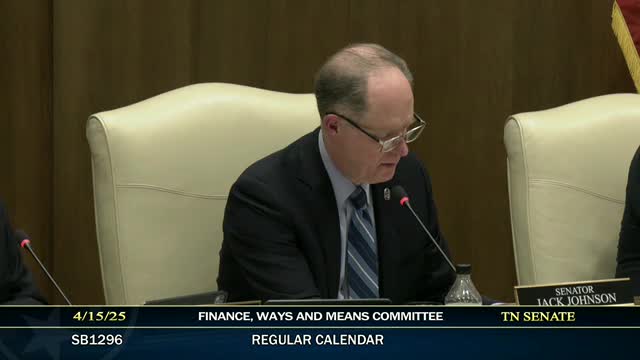
Senate Bill 12‑96 would create felony penalties for certain threats of mass violence and make posting private addresses or phone numbers with intent to cause harm a misdemeanor; the committee recommended the bill to the calendar after members discussed discretion and enforcement concerns.
The committee recommended Senate Bill 12‑96, which the sponsor described as a measure to criminalize threats of mass violence and to prohibit doxing that would expose individuals’ home addresses or phone numbers with intent to harm.
Provisions included in the bill as presented by the sponsor
- Creates a Class E felony for knowingly making threats of mass violence that cause others to reasonably expect imminent harm. - Elevates the offense to a Class D felony if the threat targets a school, house of worship, government property, a live event, or if the offender has prior convictions and takes substantial steps toward carrying out the threat. - Criminalizes doxing by making the act of posting an individual’s home address or phone number online with the intent to cause harm a Class B misdemeanor; if harm results to the doxed person or their family, the offense becomes a Class A misdemeanor. - Allows courts to order restitution for damages caused by disruptions.
Committee debate and concerns
Senator Yarbrough and other members urged caution so enforcement does not produce automatic arrests or unintended consequences for children and juveniles whose statements may not be credible threats, and they stressed the need for law‑enforcement and school officials to exercise discretion.
Sponsor response and intent
The sponsor said the bill is intended to give law enforcement tools to address credible threats while expecting discretion by police, prosecutors and school officials.
Vote and next steps
The committee recommended the bill to the committee on the calendar. Members expressed support for the bill’s objectives but urged officials to apply discretion in enforcement to avoid disproportionate responses in non‑credible or juvenile incidents.