Get Full Government Meeting Transcripts, Videos, & Alerts Forever!
Get email alerts on the School Finance topic
No spam. Unsubscribe anytime.
Monroe district warns of multimillion-dollar shortfall amid state funding changes and rising insurance costs
Summary
District leaders told the board the district faces a projected deficit of roughly $2.6'$2.7 million under current state funding proposals, with additional pressure from health-insurance increases and potential changes to federal grants and categorical incentive funding.
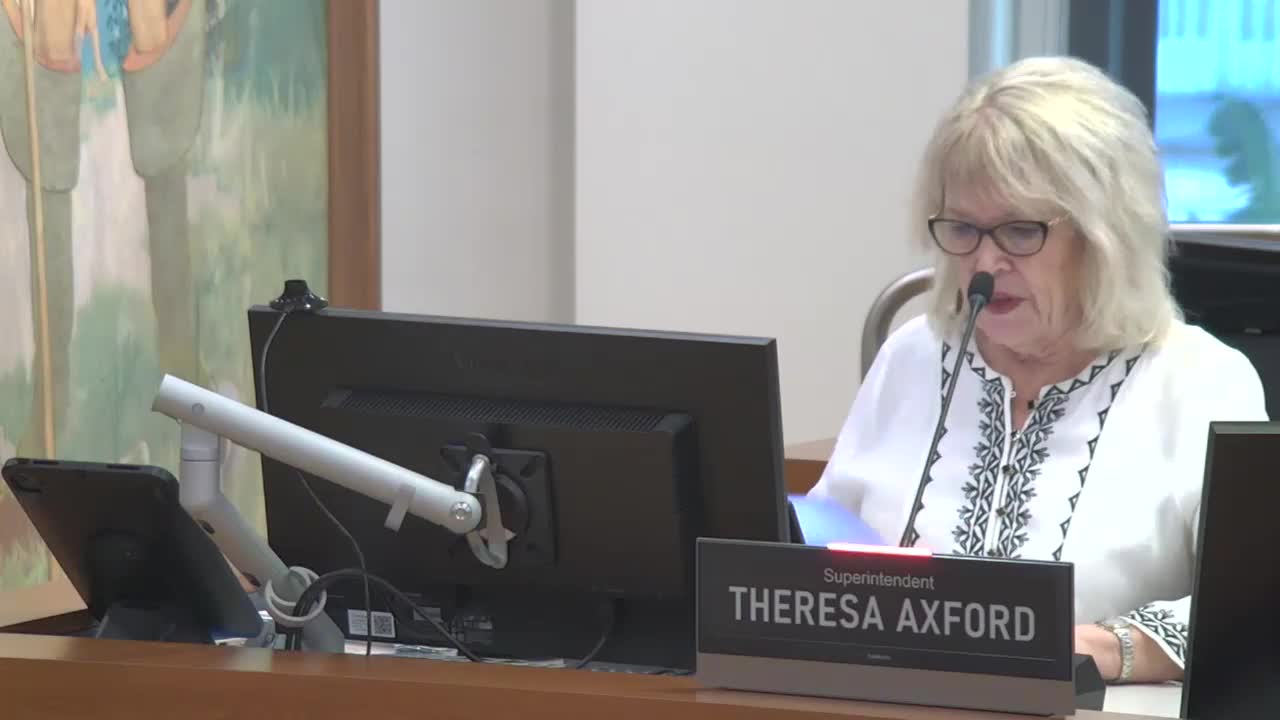
Superintendent and finance staff told the Monroe County School Board April 14 that proposed changes in the state budget and rising local costs could leave the district with a multiyear funding shortfall and will require close budget planning.
Superintendent (remarks read for the record) said the district had an earmark included in the U.S. House budget for $7 million tied to local projects and thanked Representative Jim Mooney for advocacy; she said the House and Senate must still reconcile budgets. The superintendent also said the district received nine responses to an RFP for a local housing project (Trumbo) and that staff will report back after the April 23 closing.
Chief financial staff and Dr. White reviewed projected impacts of proposed state funding changes. Staff reported an anticipated operating deficit of approximately $2.6 million to $2.7 million under current state proposals, citing increases in utilities, fuel and health-insurance costs. Dr. White said the figure does not yet include planned employee raises. The district has made prior transfers to shore up the health-insurance fund ($7 million in 2023 and $6 million in 2024) and staff said the health fund recommendation is to raise premiums about 13% this year to reduce reliance on general-fund transfers.
Board member and state-legislative updates from Dr. Wolczynski (who had been in Tallahassee) described substantive changes in the K-12 budget: the house and senate proposals differ in how they treat incentive funding (AP, dual enrollment and career-technical education). Wolczynski said the senate staff analysis shows a $290 million reduction in incentive funding for college-readiness programs and the house proposes additional cuts; he said a large portion of recent K-12 funding increases is being directed to voucher expansion and that a significant share of the increase in base funding is tied to voucher program growth. Wolczynski warned that cuts to incentive funding would likely force reductions in programs that have increased student college and career readiness.
Finance staff said departmental and principal budget hearings would begin the following week and that staff are preparing detailed line-item analyses to inform board decisions. The district will continue to advocate with state associations and local legislators for restoration or mitigation of proposed cuts, officials said.
Ending: The board was told it may need to draw on fund balance in the short term; staff will present budget hearings, a more detailed spreadsheet of cost drivers, and any recommended actions in upcoming budget workshops and meetings.