Get Full Government Meeting Transcripts, Videos, & Alerts Forever!
Get email alerts on the Facial Recognition topic
No spam. Unsubscribe anytime.
Milwaukee meeting spotlights public opposition and police pitch for facial‑recognition software
Summary
Dozens of Milwaukee residents urged the Fire and Police Commission to oppose the Milwaukee Police Department’s plan to acquire facial‑recognition software, saying the tool risks racial misidentification, privacy violations and data sharing with outside agencies and private vendors.
Dozens of Milwaukee residents urged the Fire and Police Commission to oppose the Milwaukee Police Department’s plan to acquire facial‑recognition software, saying the tool risks racial misidentification, privacy violations and data sharing with outside agencies and private vendors. The department presented case studies it said showed the technology helped solve violent crimes and described plans to seek two search licenses from a vendor, Biometrica, in exchange for access to 2,500,000 jail records; the presentation was an informational communication to the commission, not a formal policy change.
Why it matters: Speakers and community groups said facial recognition technology (FRT) is biased against people of color, can chill protest and free‑speech rights, and risks exposing Milwaukeeans’ data to federal agencies or foreign companies. MPD officials said the tool would be used only as an investigative lead, never as the sole basis for probable cause, and that an SOP (standard operating procedure) would be drafted if the department moves forward.
MPD presentation and how the department said it would use FRT MPD Chief of Staff Heather Huff and criminal investigations staff said the department does not currently own its own facial‑recognition system and presented the item as an initial communication before any acquisition or formal SOP. Inspector Paul Lau and Captains from the Criminal Investigations Bureau described multiple locally reported cases in which partner agencies’ use of facial‑recognition searches produced investigative leads that MPD detectives later corroborated.
The department said Biometrica has offered two search licenses in exchange for access to about 2,500,000 booking photos that MPD maintains; additional licenses would cost roughly $12,000 each per year, according to presenters. MPD representatives said Biometrica’s product searches only law‑enforcement arrest photos (not social media or DMV photos), that Biometrica purges submitted surveillance images after a query, and that the vendor offers anti‑bias training. MPD stressed that facial‑recognition results would generate investigative leads requiring human review and corroboration before any arrest or charge.
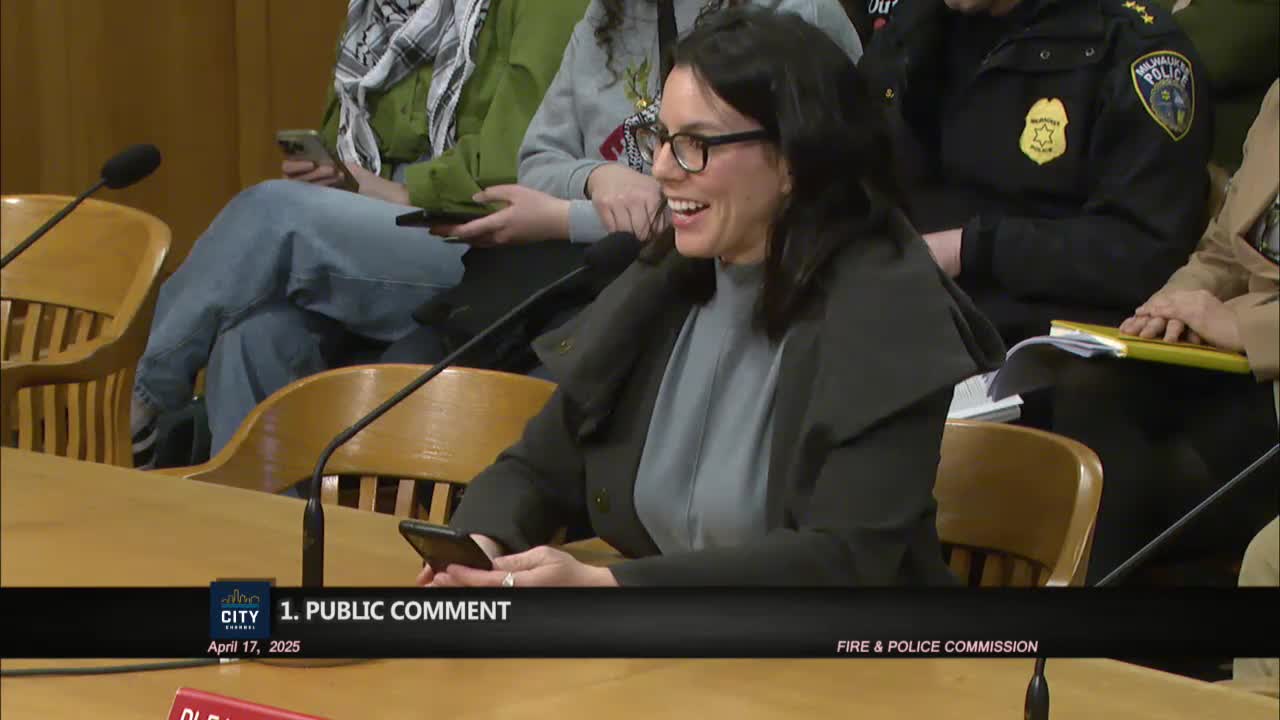
Community concerns raised at length Public comment filled the meeting’s public‑comment period. Speakers representing neighborhood groups, civil‑liberties organizations and residents said the tool is biased, risks wrongful arrests and would be used to surveil protesters, immigrants and communities of color.
"This is dangerous power," said Katie Grillert, a technology policy professional who opened public comments, warning that systems that name and track officers or civilians can be abused. Several commenters cited government studies and independent research documenting higher error rates for women and people of color. "Facial recognition technology is notoriously inaccurate," said Dr. O’Kelly, citing studies that she said show higher false‑identification rates for Black and Asian faces.
Speakers also flagged the proposed vendor ownership chain: commenters said Biometrica is owned by Morpho Trust, itself under the Safran Group, an international aerospace and defense company. "They are currently profiting off genocide," said Jen Volstead, urging the commission to consider the vendor’s international contracts when evaluating the proposal.
Data sharing, immigration enforcement and fusion centers Several speakers asked what would stop federal agencies — including ICE, the FBI or others — from accessing any data derived from the system. ACLU of Wisconsin Advocacy Director Amanda Mercway asked how the department would prevent weaponization of local surveillance data by federal partners and whether the fusion center could obtain the same access. MPD staff said current immigration‑related SOPs would still govern data sharing and that any requests would be handled under existing policies; they did not provide a city‑attorney legal analysis during the meeting and said they would consult risk management and legal staff while drafting a future SOP.
Limitations and safeguards MPD described MPD provided examples of authorized uses it plans to consider for an SOP: identifying suspects in violent felonies, locating missing or incapacitated persons, identifying deceased people and mitigating imminent threats to public safety. Presenters said access would be limited to trained personnel with supervisor approval for each query, and that the department intends to build an audit log recording searches, requesters and results.
MPD also said its drone policy currently bars using drone footage to feed facial‑recognition searches and that body‑worn camera or drone intersections with FRT would be addressed explicitly in any SOP the department drafts.
No final decision at the meeting; next steps Commissioners and MPD staff spent nearly an hour in questions. Commissioners pressed the department for details including where the jail images would be stored, who would hold custodial rights to the data, how frequently the technology had been used via partner agencies, and demographic breakdowns of matches and searches; MPD said it would provide follow‑up information and consult the city attorney on federal‑access questions. The file was informational; the department has not adopted an SOP and no authorization was granted at this meeting.
Votes at a glance While the facial‑recognition communication file was informational and no action was taken on it, the commission handled several routine resolutions that were approved during the same meeting. These non‑controversial administrative items were approved by voice vote or roll call and do not change the department’s facial‑recognition status. Items approved included minutes of the prior meeting (FPC 212,025), classification and reclassification studies for MPD positions (FPC 212,026; FPC 212,000; FPC 212,027; FPC 212,028), promotions in the Department of Emergency Communications (FPC 212,031), and rescission of five police officer appointments (FPC 212,032). The meeting record shows motions carried and, where recorded, commissioners cast affirmative votes.
What the meeting left on the table Speakers and commissioners asked for written details MPD did not provide in the presentation: exact terms of any proposed contract with Biometrica; whether Biometrica or any third party would retain or re‑use Milwaukee’s booking photos; a demographic breakdown of searches and matches to date; and a city‑attorney legal review of whether federal agencies could compel access. MPD representatives said those questions will be part of future policy drafting and legal review.
Who spoke on the record (selection) Community members: Katie Grillert; Joshua Taylor; Jen Volstead; Carlos Rodriguez; Aurelia Seja (Milwaukee Alliance Against Racist and Political Repression); Amelia Behrendt (policy director for State Rep. Ryan Clancy); Ellen Finn; Tiffany Stark; Arthur Balas; Ron Jansen; Hunter Raley; Heba (Hibba) Mohammed; Sawsan Rizik; Bridal Stibbe; Amanda Mercway (ACLU of Wisconsin); Ucely Flores (Wisconsin Fair Maps Coalition); Dr. O’Kelly; Cassie Gillen; Emilio Datoro (Milwaukee Turners); Will Akers; Andy Tisdale; and many others. MPD presenters: Heather Huff (MPD chief of staff), Inspector Paul Lau (Criminal Investigations Bureau), Captain Hutchinson (Homicide Division), Captain Anderson (Major Crimes Division). Commissioners present included Commissioner Horowitz (chair) and Commissioners Virgos, Evans, Fung, Schneider, Spence and Will Patterson.
Bottom line: The department presented an informational file describing how it would seek limited access to a commercial facial‑recognition product and the investigative uses it envisions. Community members and civil‑liberties groups urged the commission and the Common Council to block the acquisition or require strict, public, enforceable limits. MPD said it will draft an SOP and consult risk management and legal staff; no SOP or purchase was approved at the meeting.