Get Full Government Meeting Transcripts, Videos, & Alerts Forever!
Get email alerts on the Local Infrastructure topic
No spam. Unsubscribe anytime.
Groves Park residents press Oak Ridge for answers on unaccepted streets, $225,000 bond and long‑delayed topcoat
Summary
Residents from Groves Park Commons told City Council the subdivision’s streets have lacked a final topcoat for more than a decade and seek clarity on ownership, an apparently lapsed $225,000 bond and who is responsible for repairs. Council asked staff to research records and provide a cost estimate for repairs.
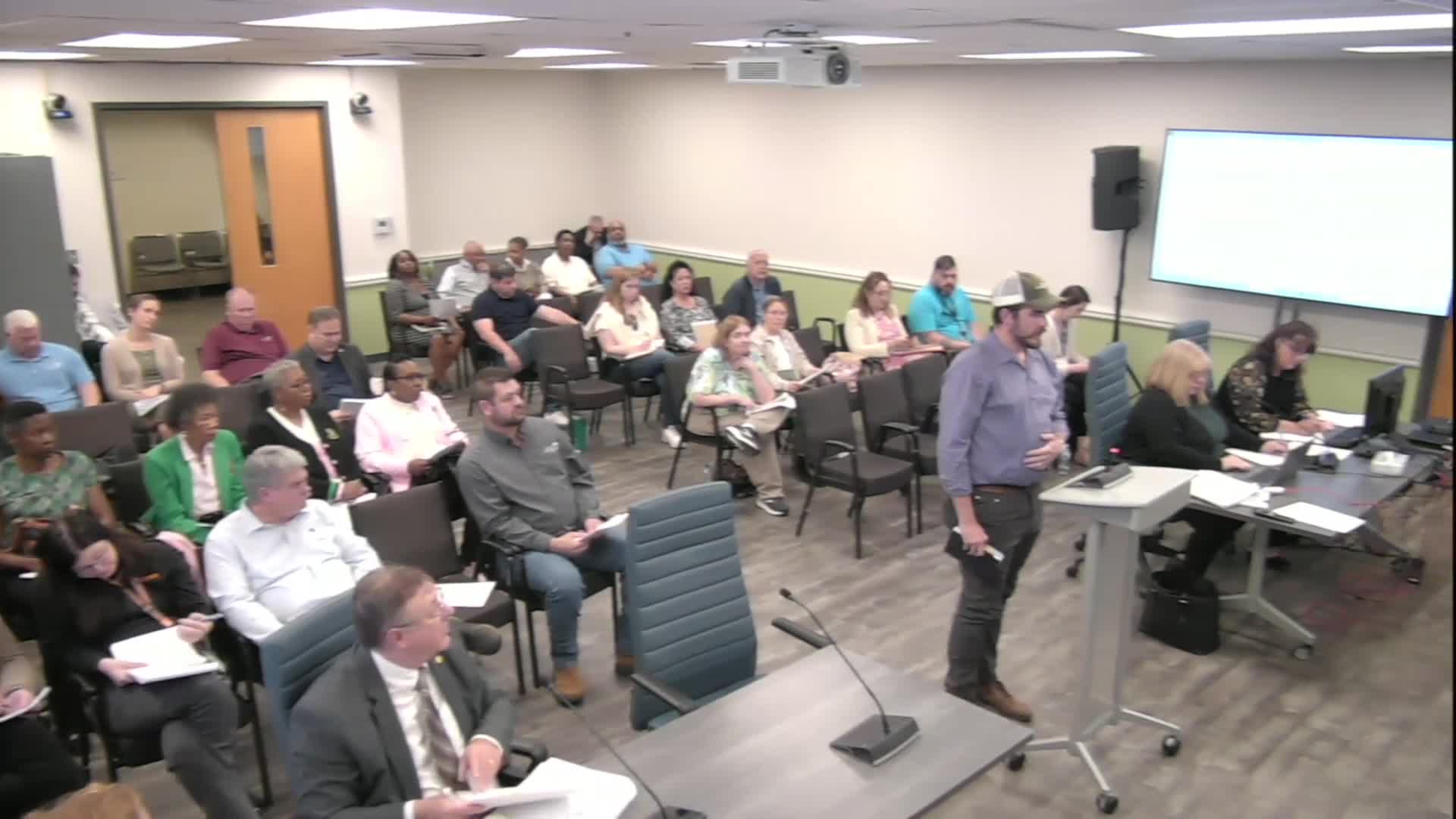
Multiple residents of Groves Park Commons urged Oak Ridge City Council to resolve a long‑running problem of unfinished roads in their subdivision, saying a developer bankruptcy and apparent lapses in bonding have left streets and alleyways in poor condition.
David Romba, a Groves Park resident, told Council that the 2010 plat for the subdivision included an improvement bond of $225,000 that was never called. He asked why the bond was allowed to lapse and who currently owns and maintains the neighborhood streets. “Why was the bond allowed to expire? Where did the bonds go?” Romba asked, noting the recorded plat required completed improvements within one year of approval.
Delisa Simpson Schubert, another resident, said she repeatedly researched public records and found no clear documentation of the bond’s disposition. She said the streets are deteriorated and that top‑coat pavement work that should have been completed after initial construction was never finished. “Groves Park needs their final topcoat,” she said.
Other residents described alleyways that have no topcoat and in some places are essentially dirt tracks. Michael Martin said the neighborhood’s homeowners pay property taxes but have received little infrastructure maintenance. “We paid $774,000 in property taxes over six years; we can’t get our roads paved,” he said.
Katie Grama, a resident who reviewed recorded plats, said there is at least one recorded notation that the city has perpetual maintenance responsibility for the asphalt within the 12‑foot‑wide alleyways in the development. She emphasized the alleyways are among the worst damaged and that vehicles have been damaged on exposed drainage structures.
City staff and council members outlined the procedural constraints. The city has determined the subdivision streets have not been accepted for public maintenance; acceptance requires submittal to Planning Commission and then a formal council ordinance. The city attorney and city manager said the city cannot expend public funds to repair private streets until they are accepted for maintenance. Staff also noted that one procedural path for acceptance is available but must follow established public‑works and legal steps.
Council directed staff to pursue three actions: (1) research and report back on ownership records and the history of the 2010 bond and any renewals or extensions; (2) assemble inspection records and any planning‑commission inspection notes to determine the construction status and whether required inspections were completed; and (3) produce a cost estimate to repair the roads (including substructure work and topcoat) so Council will have a fiscal figure if it later decides a remedy is warranted.
Council members said the neighborhood’s persistent condition and the lack of clear public records warrant immediate staff follow‑up. Several members described the issue as a moral as well as procedural concern because homeowners pay taxes while living with substandard streets. Staff said they would return with ownership clarification and an estimate of repair costs; council encouraged a speedy timetable for the research and cost evaluation.
The residents asked that the city prioritize the matter. Council did not direct immediate public spending to fix the roads at the meeting; rather, it asked staff to obtain records and price the repairs and to return with options for council consideration.