Get Full Government Meeting Transcripts, Videos, & Alerts Forever!
Get email alerts on the Foreign Influence And Lobbying topic
No spam. Unsubscribe anytime.
Contentious committee debate ends with tie on bill restricting paid lobbying for Chinese, Russian entities
Summary
House Bill 16 62, which would bar paid lobbyists from representing the People's Republic of China or the Russian Federation, produced extended debate about First Amendment and commerce-clause issues and resulted in a tied committee vote, effectively blocking it at that time.
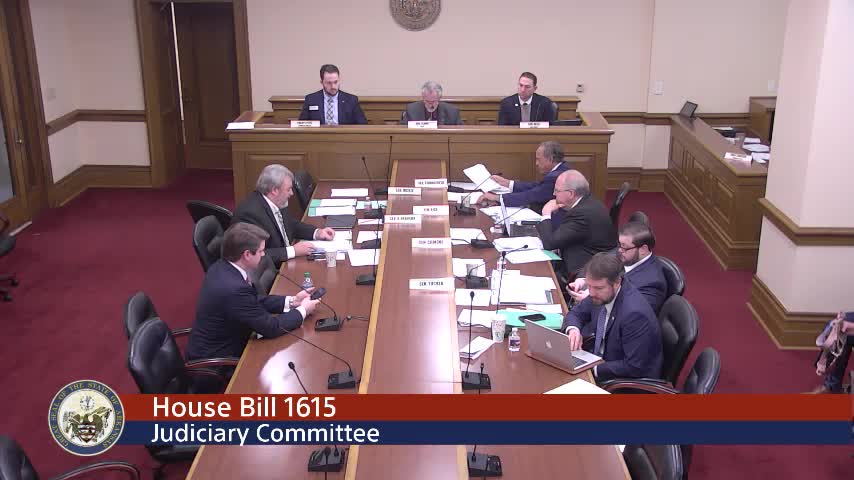
House Bill 16 62, sponsored in the Senate by Senator Blake Johnson and presented by Representative McKinney, faced protracted and sharply divided debate in the Judiciary Committee and ended without passage after a recorded vote resulted in a 4-4 tie.
Senator Blake Johnson, the senate sponsor, told the committee the bill would bar paid lobbyists from representing or being paid by covered foreign entities — specifically the People's Republic of China and the Russian Federation — when lobbying the Arkansas legislature. Johnson described the measure as a tool to prevent adversarial foreign influence on state policymaking and said it mirrored nationwide concerns about data and national-security risks tied to these nations. ‘‘We're trying to make some kind of measured response to the fact that TikTok, which is owned by ByteDance, has the golden share ... the CCP and the PRC’s tight-fisted control,’’ Johnson said.
Opponents — including Senators Tucker, Stubblefield and others — raised constitutional concerns. Senator Tucker warned the bill ‘‘regulates speech’’ and said it could raise First Amendment and Fourteenth Amendment equal-protection issues and commerce-clause problems if it treats U.S. subsidiaries or affiliates differently. He also noted the bill’s drafting could bar unpaid lobbying on behalf of covered entities if a lobbyist received pay for separate lobbying work.
Supporters said the bill targets paid representation by foreign adversaries and preserves citizens’ unpaid right to speak. They compared the measure to existing campaign- and lobbying-related regulations and argued it narrows the field to paid conduct tied to adversarial foreign governments.
The committee took a roll call after extended discussion; the clerk reported the vote as tied, 4 to 4. The chair directed a roll call and the transcript records the tie. Because the committee did not record a majority in favor, the bill did not advance in that session. Senators on both sides said the floor would be the venue for continued debate if the bill is refiled or offered again.