Get Full Government Meeting Transcripts, Videos, & Alerts Forever!
Get email alerts on the Government Transparency topic
No spam. Unsubscribe anytime.
Lawmaker pulls bill to require local governments to post meetings online after members raise practical concerns
Summary
Representative Robin Lundstrom withdrew her bill that would have required cities and counties to post meeting videos on social media or websites after senators questioned feasibility for very small towns and the need for exemptions or implementation timelines.
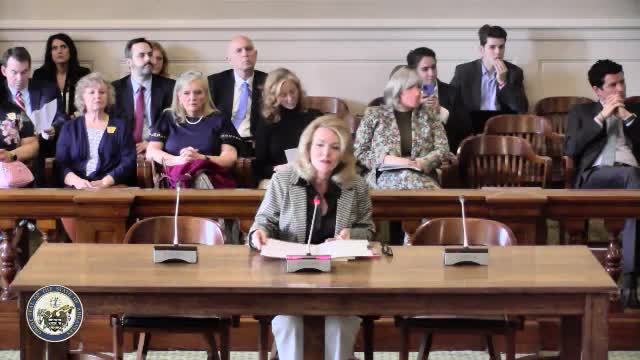
Representative Robin Lundstrom introduced House Bill 1879, which would have required cities and counties to post recordings of public meetings to a website or to social media (for example, Facebook or Instagram) to increase transparency. Lundstrom said the measure is intended to expand access to local government proceedings at low cost and would give jurisdictions one year to comply.
Committee members raised practical concerns. Senator King and other members argued smaller towns with very limited staff and resources — some described as having 30 or fewer residents — could face an undue burden to "do it right" and that standards and classifications for small jurisdictions might be necessary. Senator Dodson noted reliance on third-party platforms could become a problem if platforms change terms or begin charging for service. Senator King and others suggested a phased approach or an exemption for the smallest local governments.
Representative Lundstrom responded that many low-cost options exist (YouTube, Facebook) and that community resources such as schools or churches could assist smaller jurisdictions. She said she would pull the bill to make changes, and she told the committee she would "pull it down" to craft exemptions and clarifications before reintroduction. The committee did not vote on the bill; the sponsor asked to withdraw it for revision.
The discussion highlighted tensions between expanding transparency through low-cost streaming options and the administrative and technical burdens on very small local governments; senators asked for clearer fallback options and rulemaking to address changing third-party platform practices.