Get Full Government Meeting Transcripts, Videos, & Alerts Forever!
Get email alerts on the Newborn Safety Devices topic
No spam. Unsubscribe anytime.
Bill to allow newborn safety devices ("baby boxes") draws mixed testimony and safety concerns
Summary
House Bill 2901 would permit hospitals, police or fire stations and similar 24/7 facilities to install newborn safety devices to allow anonymous surrender of infants. Supporters called the measure an extra safe‑haven option for parents in crisis; opponents raised adoptee‑rights, safety, and regulatory concerns.
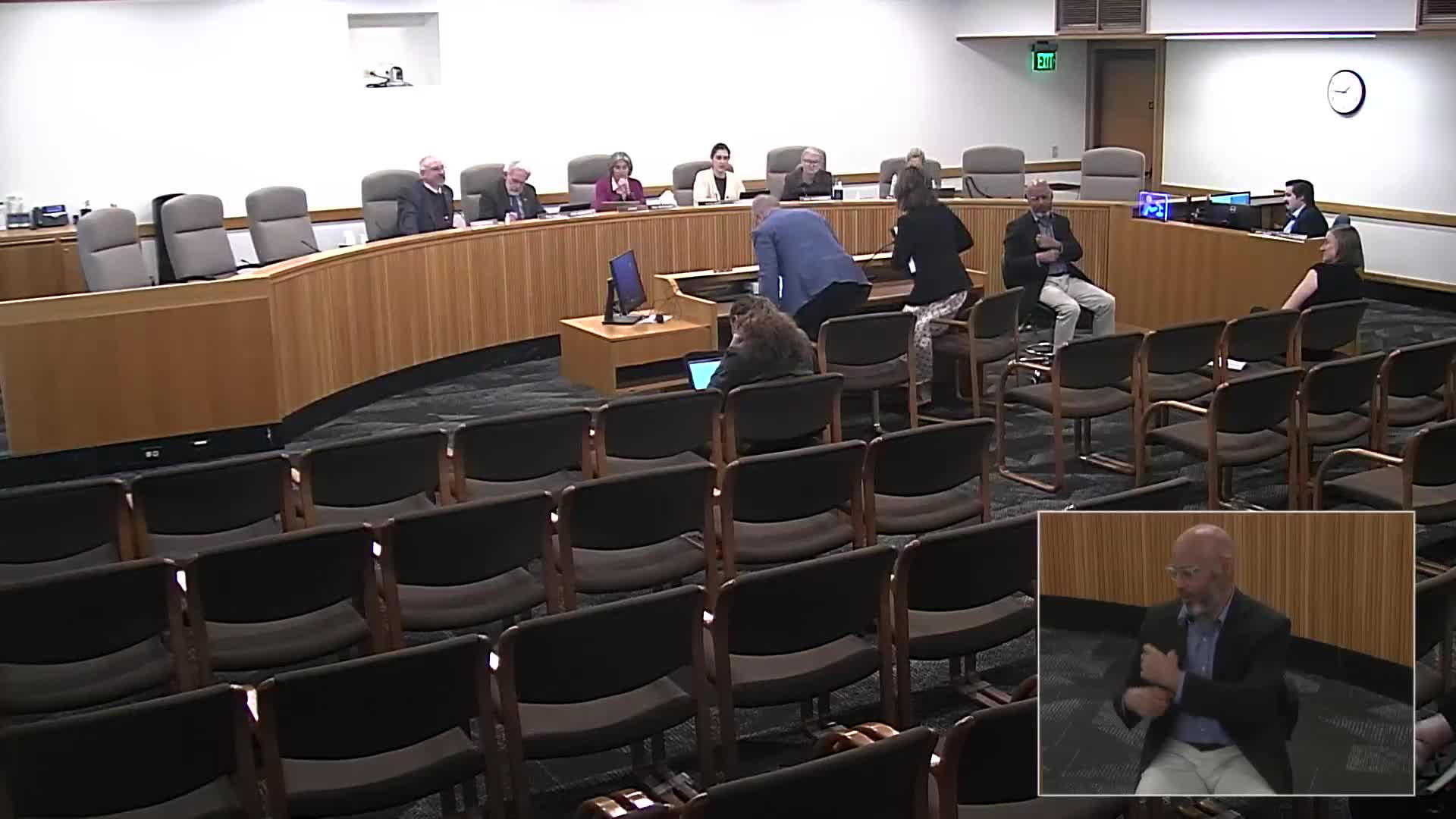
The Senate Committee on Early Childhood and Behavioral Health held a public hearing April 17 on House Bill 2901, which would permit authorized facilities — hospitals, doctors’ offices, law enforcement stations or fire stations — to install climate‑controlled, alarmed newborn safety devices and allow anonymous surrender of an infant into the device as an alternative to an in‑person safe‑surrender under existing law.
Emily McIntyre, testifying for the measure, said HB 2901 “is a bill for parents in crisis” and described the devices as a last‑resort, safety‑focused option for a parent who feels they have no other choice. She told the committee the bill is permissive (a “may,” not a “shall”), that counties would decide whether to purchase or install boxes, and that authorized installation sites must be 24/7 manned facilities with a medical provider on staff. McIntyre said the devices are tested at least weekly and include local information and hotline numbers designed to connect parents with services.
Representative E. Warner Raschke also supported the bill, saying safe surrender should remain a nonpunitive option for parents who feel they cannot safely parent a newborn.
Marley Greiner, testifying remotely and identifying herself with an adoptee/advocacy organization, opposed the bill. Greiner raised a series of adoption‑rights and safety concerns, including that Oregon’s 60‑day safe‑haven age limit makes anonymity harder to maintain, that an entity called Safe Haven Baby Box Inc. has a dominant role in producing and promoting boxes, and that there have been reported incidents the witness attributed to box use (Greiner cited an infant in Hammond, Indiana who had a stroke around birth, a New Mexico child admitted with pneumonia and hypothermia, and other adverse reports). Greiner said such boxes discourage prenatal and medical care and risk returning to a “secret relinquishment” model that many adoption‑rights advocates have opposed.
Committee members expressed mixed views. One senator, identifying as an adoptive parent, described personal concern about an infant being left in a box rather than handed to a person and said the emotional and identity issues for adoptees are meaningful. Another senator said the bill could prevent worse alternatives — such as abandonment in unsafe places — and noted that some firefighters and first responders have recounted positive outcomes from safe‑surrender boxes in other states.
The committee took no final action at the hearing. Testimony and committee questions identified a set of implementation issues the committee may return to, including medical oversight, equipment testing and certification, information available at the site, and potential conflicts with existing adoption and safe‑haven laws.