Get Full Government Meeting Transcripts, Videos, & Alerts Forever!
Get email alerts on the Newborn Screening topic
No spam. Unsubscribe anytime.
Senate committee hears bill to codify newborn blood‑spot screening supports and follow‑up
Summary
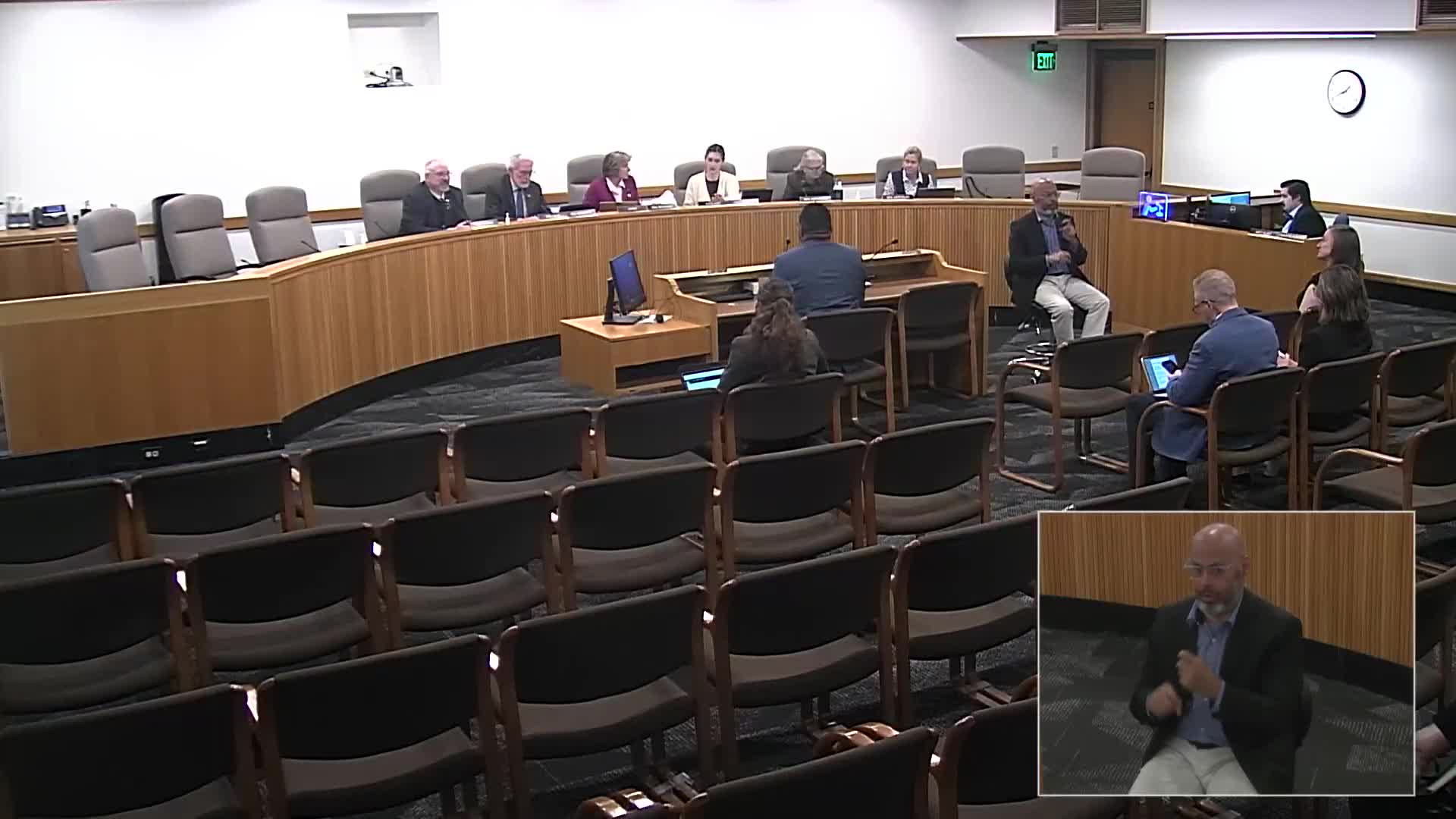
The Senate Committee on Early Childhood and Behavioral Health held a public hearing April 17 on House Bill 2741, which would direct the Oregon Health Authority to maintain the state public health laboratory for newborn blood‑spot screening and expand education and family follow‑up services.
The Senate Committee on Early Childhood and Behavioral Health held a public hearing April 17 on House Bill 2741, which would direct the Oregon Health Authority (OHA) to maintain a state public health laboratory capable of performing analyses for the newborn blood‑spot screening program and to expand education and family follow‑up services.
Representative Travis Nelson, sponsor of the House measure, told the committee that about 40,000 babies in Oregon receive the newborn blood‑spot screening each year and that the panel tests for roughly 45 conditions. Nelson said the screens identify “nearly 100 infants annually who would need urgent medical intervention,” and described HB 2741 as “a safeguard” to ensure families get help after a positive screen.
Patrice Held, newborn blood‑spot screening program manager at the Oregon State Public Health Laboratory, testified in support and described the bill’s intent: to preserve the state’s central laboratory role, to promote equity by expanding education and follow‑up, to instruct coordinated care organizations to cover screening costs for families, to recognize philosophical exemptions, and to protect confidential screening data from public disclosure.
Senators asked about language in section 2 that authorizes the state public health laboratory to analyze samples “for any … country or territory.” Held explained the provision is intended to preserve the laboratory’s existing ability to perform contracted screening services for other jurisdictions — she cited current contracts to provide screening for New Mexico, Guam, Saipan and some military bases — and said those contracting entities cover the laboratory’s costs for out‑of‑state testing.
Committee members also asked whether families sometimes face out‑of‑pocket costs. Held said families who have community births may face costs that are not covered by insurance or Medicaid; HB 2741 would direct coordinated care organizations to cover screening costs and would add language to expand outreach and family resources for follow‑up care.
No committee vote occurred; the hearing record includes testimony from the sponsor, laboratory staff and supportive stakeholders including the Sickle Cell Foundation that the committee referenced.